





Over the past decade, the global electric vehicle charging infrastructure has developed rapidly. According to the “Global EV Outlook” report released by the International Energy Agency, as the number of electric vehicles continues to grow, the number of public charging facilities worldwide is also increasing. At the same time, the demand for low-voltage electrical protection equipment in the market has also continued to rise.
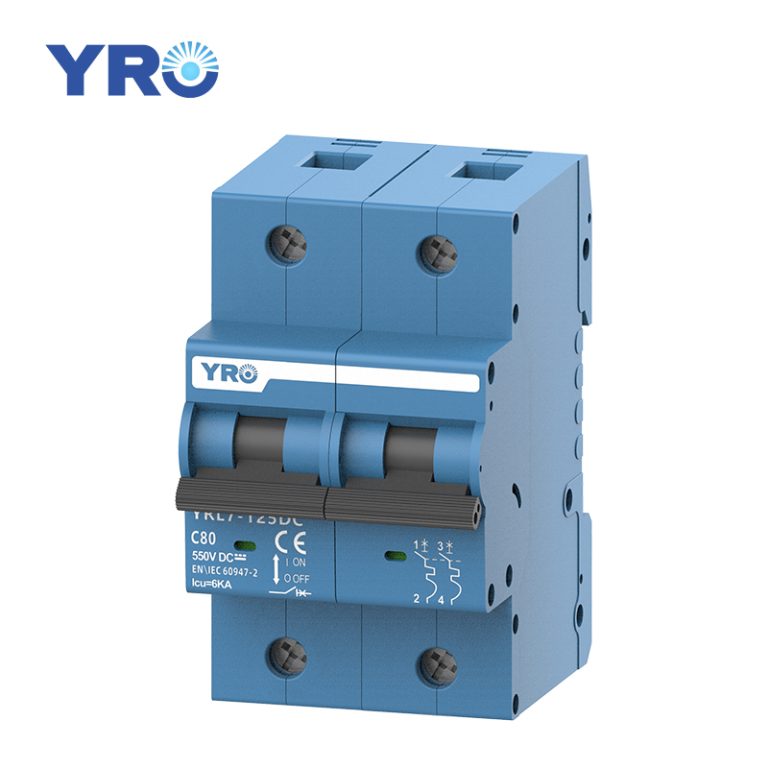
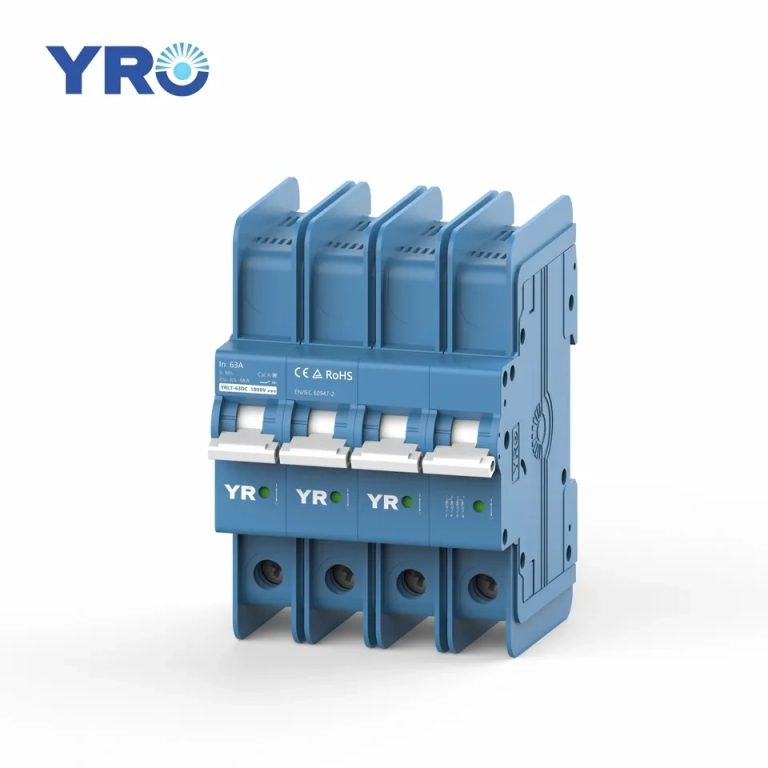
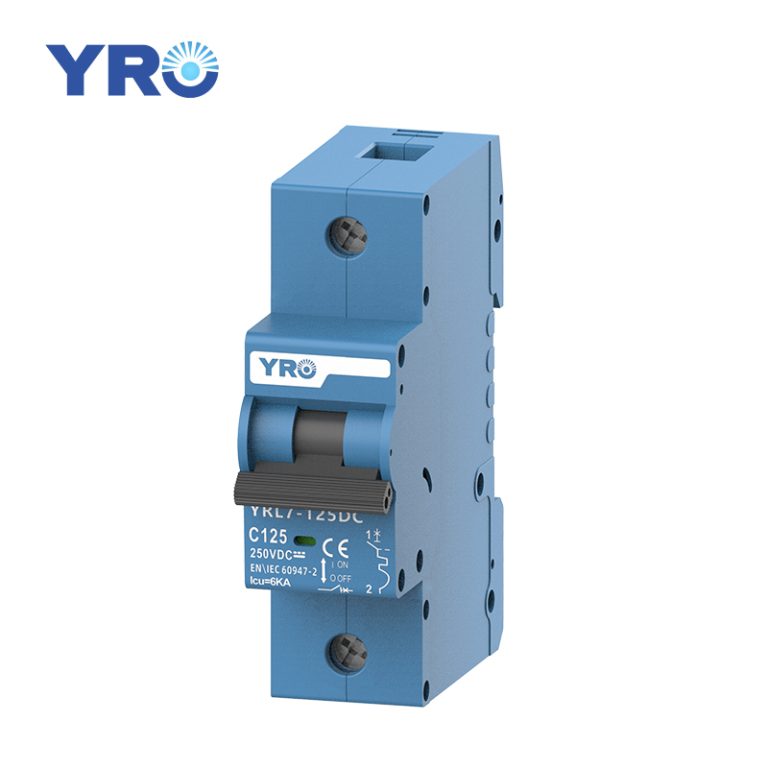
In the charging system, the low-voltage circuit breaker is one of the most important protective devices. Its main function is to cut off the circuit when overload or short circuit occurs, thereby protecting the lines, equipment, and personnel safety.
However, during actual operation, engineers and maintenance personnel sometimes find that the circuit breakers installed in EV charging stations show a higher temperature rise. In most cases, this does not mean that the circuit breaker itself has quality problems, but is related to the installation method, operating environment, or system design.
This article will introduce the following contents based on international standards and public technical materials:
- Why do circuit breakers overheat during EV charging system operation?
- What causes excessive temperature rise in circuit breakers?
- How to choose the right low-voltage circuit breaker for EV charging stations?
Why Do Circuit Breakers Overheat During EV Charger Operation?
Let’s start with the direct answer: EV chargers often draw high current for several hours during a single charge, keeping the circuit breaker under sustained high-load conditions with continuous heat accumulation inside. In addition, loose terminals, high internal contact resistance, and harmonic interference further intensify internal heating.
Below are the specific reasons for excessive temperature rise in circuit breakers.

Reason 1: Charging Duration Is Too Long
Many household appliances, such as air conditioners, are intermittent loads. They cycle on and off based on operating conditions, so the current changes continuously.
In contrast, an EV charger typically maintains a relatively stable output current throughout a charging session. Charging duration depends on factors such as charging power, vehicle status, and battery state of charge. A single charge may last 5 to 6 hours.
As a result, the circuit breaker must continuously carry the operating current, generating heat internally until it reaches thermal equilibrium.
This is precisely why the NEC requires 125% sizing for continuous loads—to provide a safety margin for sustained heat generation.
Unlike air conditioners and other equipment that cycle on and off, EV chargers can operate at near-maximum current for hours on end. For this reason, they are classified as continuous loads in the electrical industry (similar to lighting equipment).
For continuous loads, electrical codes clearly require that the overcurrent protection device be rated at no less than 125% of the actual load current.
Reason 2: Continuous Current Flow Produces Sustained Temperature Rise
According to Joule’s law (P = I²Rt), as long as current flows through a resistive conductor, heat will be generated. That is, the greater the current, the greater the resistance, the longer the time, the higher the temperature.
If the current approaches the rated value of the circuit breaker, this heat will continuously accumulate, exceed the standard temperature rise, and eventually evolve into a safety hazard.
Reason 3: Loose Circuit Breaker Terminal Connections
This is one of the common causes of circuit breaker overheating.
If terminal screws are not tightened to the torque specified by the manufacturer during installation, the effective contact area between the conductor and the terminal decreases.
When the contact area decreases, contact resistance increases.
When resistance increases, more heat is generated under the same current conditions.
When wiring issues occur, the following phenomena may be observed on site:
- Discoloration near the terminals
- Aging or damage to wire insulation
- Localized burn marks
- Terminal temperatures significantly higher than other locations

Reason 4: Increased Contact Resistance
The heat generated by the circuit breaker does not all come from its internal mechanism. During the process of current flowing to the load, it needs to pass through multiple conductive connection points, such as:
- Terminal blocks
- Busbar connection points
- Cable connectors
- Circuit breaker contacts
Each connection point has a certain contact resistance.
If the contact resistance increases due to the following reasons:
- Oxidation of the contact surface
- Adhesion of dust or contaminants
- Inappropriate installation
- Insufficient contact pressure
Then this connection position will generate more heat.
Reason 5: Installation Environment Affects Heat Dissipation
The temperature rise of a circuit breaker depends not only on how much heat it generates, but also on whether the surrounding environment can dissipate that heat effectively.
Environmental factors that affect heat dissipation capability include:
- Ambient temperature
- Airflow velocity
- Heat dissipation design of the distribution cabinet
How Does Temperature Rise Affect Circuit Breakers?
Appropriate operating temperature rise is a normal phenomenon. However, if circuit breakers are constantly exposed to high temperatures for a long time, their materials and components will be affected.
Accelerated Insulation Material Aging
Circuit breakers contain various insulating materials used to isolate different conductive parts. Under sustained high temperatures, these materials undergo thermal decomposition—molecular chains break, the material gradually becomes brittle, and it may crack or detach when subjected to vibration or external force.
This aging is permanent and directly reduces the safety of the breaker.
Softening of Metal Components
Circuit breakers undergo repeated heating and cooling during long-term operation, and the internal metal components will expand and contract due to heat. This process will gradually weaken mechanical strength, causing components to deform or even burn out, and ultimately shortening the service life of the circuit breaker.
Changed Tripping Characteristics
The thermal trip element of a circuit breaker works on the principle of bimetal strip bending when heated. Therefore, ambient temperature and operating temperature directly affect its tripping time.
When ambient temperature rises, the bimetal strip reaches its bending threshold more easily, causing the breaker to trip prematurely and resulting in unnecessary power outages. Conversely, if the ambient temperature is too low, delayed tripping or even failure to trip may occur.
How to Choose the Right Low Voltage Circuit Breaker for EV Charging Systems
Step 1: Identify the Type of EV Charging System
Different types of EV charging systems have different electrical parameters.
Before selection, the following information should be confirmed first:
- AC charging or DC charging
- Single-phase or three-phase power supply
- Charger rated power
- Rated working current
- Power supply voltage
- Installation environment (indoor or outdoor)
These parameters jointly determine the selection requirements for the protection device.
For example, household chargers and high-power fast-charging equipment have significant differences in current levels, fault current levels, and system structures, so their protection schemes are usually different.

Step 2: Determine the Design Current
Design current refers to the operating current that the circuit is expected to carry continuously under normal operating conditions.
The circuit breaker should be selected based on the design current, not simply on the charger’s rated power.
Design current typically needs to take into account:
- Rated output of the charging equipment
- Supply voltage
- Power factor
- System configuration
- Relevant installation standards
Current calculations should be performed in accordance with local electrical installation codes.
If future capacity expansion is planned, this can be considered during the system design phase.
Step 3: Circuit Breaker Parameters
Circuit breakers are used in automotive charging systems and the selection is more strict than in ordinary power distribution systems.
The charger belongs to a continuous large current operating device and may be affected by harmonics, voltage fluctuations, and frequent start-stop. Therefore, in addition to the rated current, other parameters should also be considered.
The following are the parameters that B2B buyers should pay the most attention to:
| Parameter | Why It Matters | Recommendation |
| Rated Current (In) | Long-duration continuous charging causes sustained heating in the breaker | Should meet the charger’s maximum output current with some margin |
| Rated Voltage (Ue) | Must match the charging system supply voltage | Common AC charging: 230V, 400V; DC fast charging may require 750V, 1000V or higher |
| Breaking Capacity | Whether the breaker can safely clear fault current during a short circuit | For commercial charging stations, choose 10kA, 15kA or higher, depending on the system’s prospective short-circuit current |
| Mechanical and Electrical Endurance | Charging stations experience frequent daily operations | Choose industrial-grade products with higher endurance ratings |
Step 4: Installation Environment
| Environmental Factor | Effect on Circuit Breaker | Selection Recommendation |
| Ambient Temperature | Higher temperature reduces the allowable current through the breaker, increasing risk of nuisance tripping | Check the manufacturer’s derating curves; in high-temperature regions, consider selecting a higher rated current or improving heat dissipation |
| Altitude | Higher altitude reduces air density, decreasing both heat dissipation and arc-quenching capability | For altitudes above 2000m, derate according to manufacturer requirements or select models suitable for high-altitude applications |
| Humidity | High humidity can cause condensation, reducing insulation performance and causing metal corrosion | Choose products with good moisture resistance; install heaters or dehumidifiers when necessary |
| Dust and Pollution Level | Conductive dust may cause short circuits; dust accumulation also affects heat dissipation | In industrial or mining environments, use sealed distribution cabinets and perform regular cleaning and maintenance |
| Ventilation and Heat Dissipation | Dense installation of multiple breakers raises internal cabinet temperature | Ensure sufficient mounting spacing; add fans or cooling devices when necessary |
Conclusion
The temperature rise issue of the circuit breaker in the EV charging application is not caused by a single factor.
The operating temperature of the circuit breaker is mainly influenced by the following factors together:
- Current size
- Resistance size
- Wiring quality
- Environmental temperature
- Ventilation and heat dissipation conditions
The temperature rise generated by the circuit breaker during normal current carrying is a normal phenomenon because all conductors have resistance and heat is generated when current passes through.
If the operating temperature is significantly higher than the normal level, the cause should be analyzed based on the on-site situation instead of directly judging that the circuit breaker has been damaged.
For the EV charging system, the selection of the circuit breaker should not only be based on the rated current, but also take into account:
- System design current
- Breaking capacity
- Circuit breaker parameters
- Installation environment
The final design plan should comply with local electrical regulations and the technical documents provided by the EV charging equipment manufacturer.
FAQ
Q1: Can infrared thermography determine whether a circuit breaker is damaged?
No, it cannot directly determine damage.
Infrared thermography is primarily used to detect abnormal temperature rise in electrical equipment.
If abnormal temperatures are detected, further inspection should include:
- Whether connections are secure
- Whether long-term overload operation exists
- Whether conductor sizing meets requirements
- Whether there are environmental heat dissipation issues
Therefore, thermography is a diagnostic tool, not a final fault conclusion.
Q2: How do I choose a low-voltage circuit breaker supplier?
Choose a manufacturer with a mature quality control system, temperature rise testing capabilities, international certifications, and continuous load application experience.
Q3: Is it normal for a circuit breaker to feel warm?
Under continuous high-current operation, a slightly warm breaker is normal. However, if it is too hot to touch comfortably, there is typically a problem.
Q4: Why does a loose terminal connection cause heating?
When the wiring terminal is not tightened according to the specified torque, the effective contact area between the wire and the terminal decreases.
A decrease in contact area usually leads to an increase in contact resistance.
According to Joule’s law, an increase in resistance will generate more heat under the same current, so the local temperature may increase significantly.
Therefore, most circuit breaker manufacturers will specify the installation torque of the wiring terminal in the installation instructions.