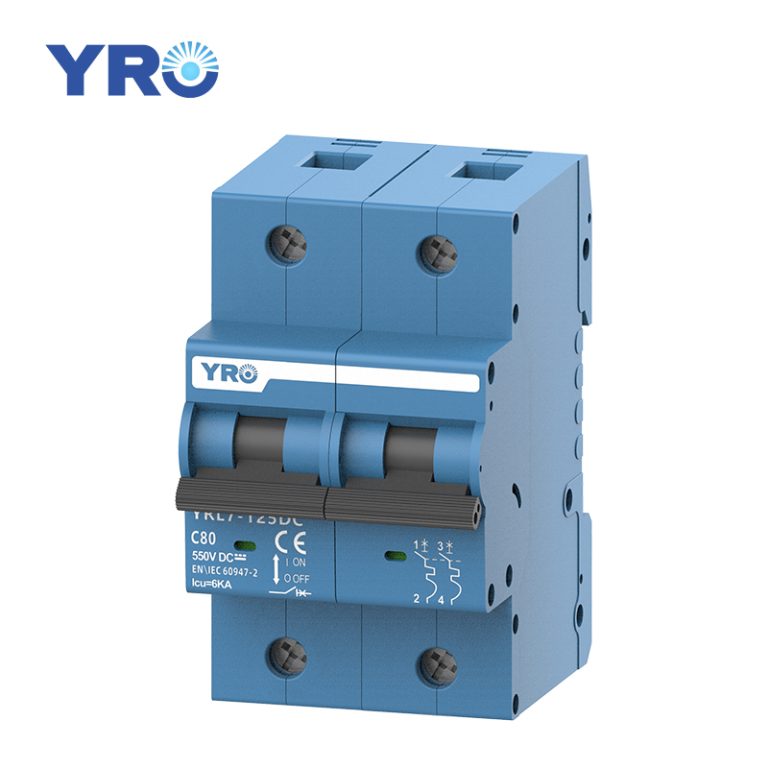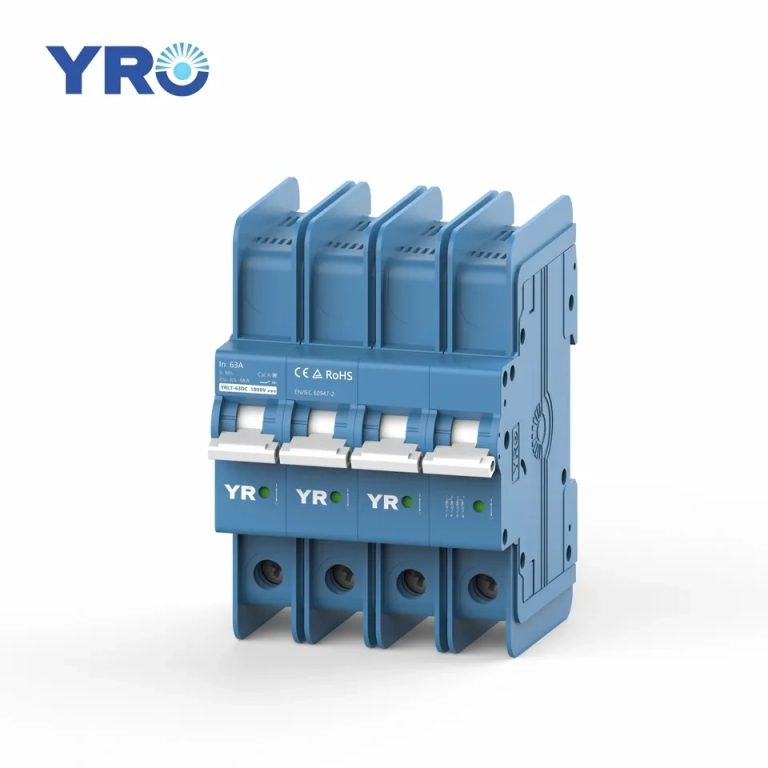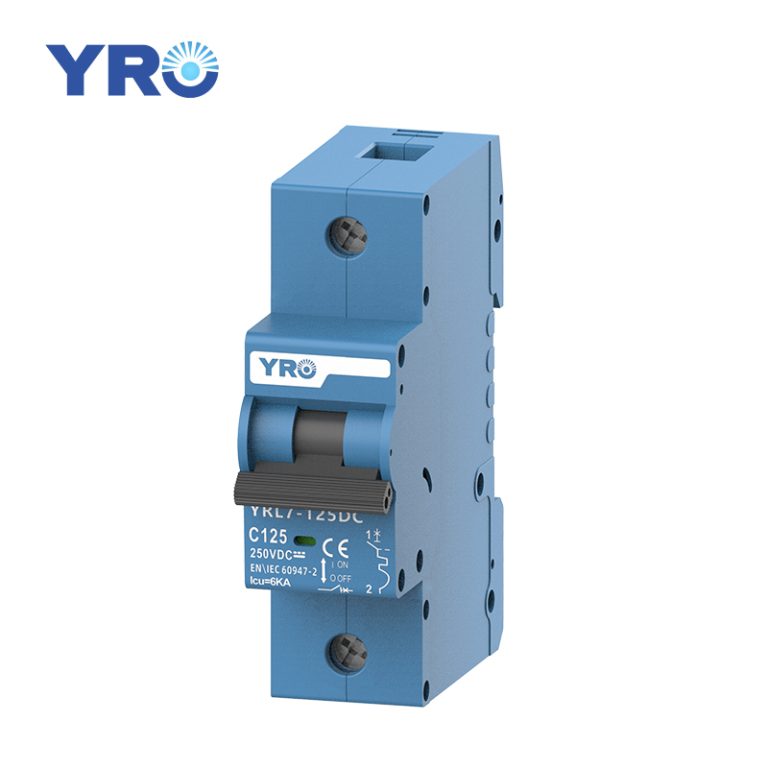







Many procurement professionals notice a common phenomenon when comparing circuit breaker prices online: disyuntores labeled 32A, 63A, or 125A are sometimes sold for only a few dollars, while others cost several times more.
This price difference is not coincidental. It is caused by a combination of multiple factors. Next, we will analyze why circuit breakers with the same rated current can have such large price gaps.
Rated Current Is Just One of Many Parameters
Rated current indicates the continuous current that an electrical cortacircuitos can carry under specified conditions for a long period.
International standards (such as IEC 60898-1 and IEC 60947-2) not only specify rated current but also require many performance aspects, including:
- Capacidad de ruptura
- Temperature rise performance
- Insulation performance
- Mechanical endurance
- Electrical endurance
Therefore, two circuit breakers both marked 63A may be completely different in other technical performance aspects.
Certification, Compliance, and Brand Infrastructure
The cost of compliance is high. Electrical circuit breakers with CCC, CE, UL, or other certifications undergo strict design reviews, type tests, and annual factory audits. Compared to un-certified equipment, multi-country certification can increase engineering and testing costs by 30% to 50%. Special certifications for ships, nuclear power, or chemical industries further increase the price.
Brands such as Schneider Electric, ABB, or Siemens have higher prices because their prices include global quality systems, traceable material records, and a global service network.
Internal Materials Differ
What consumers usually see is only the outer casing of the low voltage cortacircuitos. What truly determines product quality is the internal structure.
Different manufacturers may use different grades of:
- Copper conductors
- Contact materials
- Springs
- Arc extinguishing systems
- Insulating materials
- Engineering plastics
Higher-quality raw materials generally mean higher procurement costs, and they may also bring better durability and consistency.
For example:
- Contact materials: Low-cost products often use silver-plated copper or even pure copper contacts. While this saves costs, the contacts wear out faster and the risk of contact welding under short-circuit conditions increases significantly. High-quality products use silver-tin-oxide (AgSnO₂) or silver-nickel (AgNi) alloys. These materials have low contact resistance, excellent anti-welding properties, and can withstand thousands of operations.
- Conductors: Some products use conductors with lower copper content or smaller cross-sectional areas, while high-quality products generally use higher-grade copper conductors.
- Housing materials: Ordinary products use standard engineering plastics, while high-quality products use engineering plastics with better flame-retardant properties.

Breaking Capacity Is Not the Same
One of the important factors affecting price is breaking capacity.
Breaking capacity indicates the ability of a low voltage cortacircuitos to safely interrupt the maximum fault current, under specified test conditions.
For example:
One circuit breaker may have a breaking capacity of 6kA, while another may reach 10kA.
Although both have a rated current of 63A, their design capabilities for handling fault currents are different.
Higher breaking capacity generally requires more complex internal structures, stronger arc extinguishing capability, and more product testing, so manufacturing costs increase accordingly.
Product Consistency
For large-scale projects, having just one sample pass is not enough.
Professional buyers are more concerned about:
Whether 1,000 or 10,000 units of products can maintain stable quality.
To reduce the differences between different batches of products, manufacturers usually invest:
- Automated production equipment
- Automatic inspection equipment
- Calibrated testing instruments
- Complete quality management systems
These investments will increase the operating costs of the enterprise, but they also help improve the consistency of mass production.
¿Por qué elegir los disyuntores YRO?
YRO focuses on manufacturing circuit breakers for global B2B customers, with a focus on stable production, OEM and ODM customization services, and strict production processes.
Our disyuntores are suitable for PV systems and power distribution systems, and we can provide corresponding certification support based on different product models and target markets.
We not only focus on product price, but also place great importance on product consistency, customer service, and flexible customization capabilities. We hope to provide long-term and stable cooperation support for distributors, wholesalers, and engineering customers.
Conclusión
Two MCBs with the same rated current may appear very similar, but they may have significant differences in manufacturing processes, certification status, interrupting capacity, material quality, and factory manufacturing capabilities. These differences are also important reasons for the price variations.
When purchasing circuit breakers, one should not only focus on the rated current or the lowest price, but also consider the technical parameters of the product, compliance with regulations, production consistency, and long-term supply capacity. For long-term use or engineering projects, purchasing based on overall value is usually more meaningful than simply pursuing the lowest price.