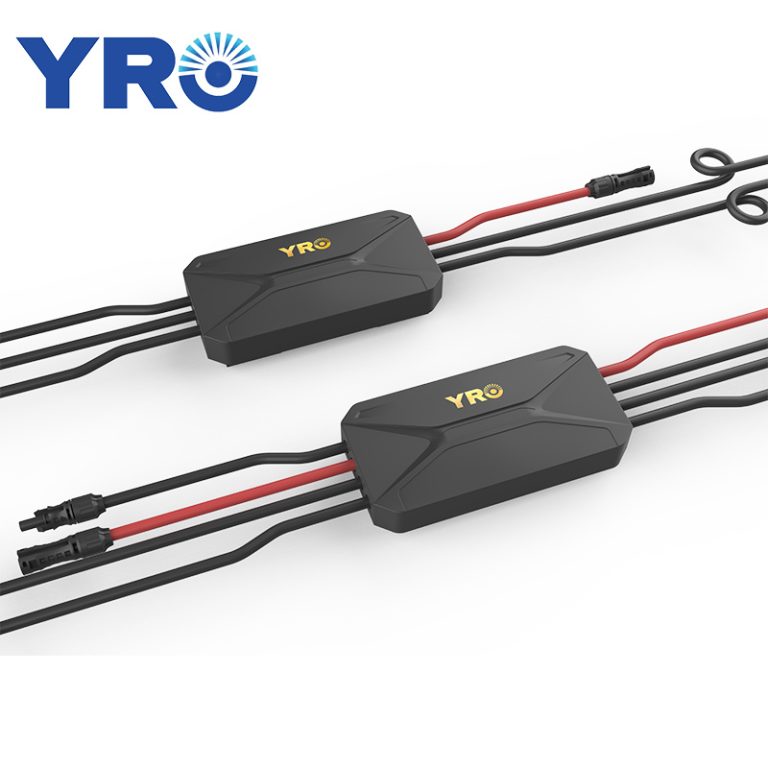






When you work on commercial or industrial solar projects, electrical safety and code compliance are crucial. A rapid shutdown device (RSD) helps you control DC voltage instantly during emergencies. In this guide, you’ll clearly understand what an RSD does, how it works, and why your PV system cannot operate without one.
What Exactly Does a Rapid Shutdown Device Do?
A dispositif d'arrêt rapide is designed to quickly reduce DC voltage on the rooftop to safe levels when an emergency or grid-loss event occurs.
Its purpose is simple:
It forces solar DC voltage to drop below a defined safe threshold—typically within 30 seconds—protecting firefighters and technicians.
RSD is activated automatically or manually, ensuring that dangerous live DC lines do not remain energized during a fire, maintenance work, or unexpected faults.

How a Rapid Shutdown Device Works (Step-by-Step)
Le working principle of an RSD is the true focus of this topic. Below is the simplest, most accurate explanation for engineers and EPCs.
1. Normal Operation
-
Solar panels generate DC power.
-
RSD stays in “normal mode,” allowing current to pass to the inverter.
-
Communication between the transmitter and RSD keeps the device energized.
2. Emergency Activation Triggered
RSD is triggered when:
-
The AC power grid shuts down
-
The fire switch is turned off
-
A firefighter activates the rapid shutdown initiator
-
The communication signal is lost (fail-safe mechanism)
3. Communication Loss = Shutdown
Most modern RSDs—including YRO’s RSD—use PLC (Power Line Communication).
When the signal is lost:
-
The RSD instantly opens the circuit
-
String or module voltage is reduced to near-zero
-
Rooftop conductors become safe to touch
4. System Enters “Safe Mode”
-
DC voltage drops to NEC-compliant safe levels
-
Firefighters and technicians can safely access the roof
-
The solar array stops feeding high voltage into the building
Core Functions of a Rapid Shutdown Device
1. Voltage Reduction
Drops rooftop DC voltage to:
-
<30V (module-level)
-
<80V (string-level)
Exact level depends on NEC requirements and configuration.
2. Emergency Isolation
Isolates the panels or strings from DC conductors running through the building.
3. Firefighter Safety
Allows first responders to work without exposure to high-voltage DC.
4. Automatic Fail-Safe Protection
If the RSD loses communication, it automatically shuts down without requiring manual intervention.
5. Compliance With NEC 2017/2020
RSD is required for any rooftop photovoltaic system under NEC-regulated jurisdictions.
Table: What an RSD Does vs. What It Does NOT Do
| Fonction | RSD Does | RSD Does NOT Do |
|---|---|---|
| Reduce rooftop voltage | ✔ Yes | ✘ No |
| Provide fire safety | ✔ Yes | ✘ No |
| Replace inverter DC switch | ✘ No | ✔ Still required |
| Boost system efficiency | ✘ No | ✔ Not its purpose |
| Work automatically during grid loss | ✔ Yes | ✘ No manual delay |
| Communicate via PLC or wireless | ✔ Yes | ✘ Not all models support both |
This helps customers understand exactly what RSD is responsible for.
Real Case Example
Case: 300 kW Commercial Rooftop Project
A solar EPC installed YRO’s string-level RSD on a 300 kW system.
During commissioning, engineers simulated a grid-loss event. Within 1.4 seconds, communication was lost and all RSD units entered shutdown mode.
Result:
-
Rooftop voltage < 30V within 25 seconds
-
Passed NEC inspector approval immediately
-
Fire department issued compliance clearance on the first visit
This real scenario shows the reliability of PLC-based fail-safe shutdown.
Benefits You Get When Using an RSD
Focused only on core benefits related to operation:
-
Instant voltage drop for emergencies
-
Guaranteed compliance with shutdown timing
-
Protection for O&M teams
-
Safer rooftop installations
-
Reduced liability for EPCs and distributors
-
Smooth system inspections and approvals
Who Needs a Rapid Shutdown Device?
You need an RSD if you are:
-
A solar EPC serving NEC-regulated regions
-
A commercial installer deploying rooftop PV
-
A distributor stocking essential code-compliant components
-
A project owner needing insurance-approved safety equipment
If your installation is on a rooftop, RSD is not optional.
Why Choose YRO Rapid Shutdown Device?
YRO’s RSD solutions offer:
-
Fast PLC activation
-
High compatibility with mainstream inverters
-
String-level configuration for large C&I projects
-
Easy wiring and stable performance
-
NEC 2017/2020 compliance
🔗 Product Link:
https://www.yroele.com/rapid-shutdown-device/

Conclusion
A rapid shutdown device reduces rooftop DC voltage during emergencies, isolates the array, and ensures your system meets NEC requirements. By understanding how RSD works, you can design safer, compliant, and more reliable PV projects. YRO provides stable, cost-effective RSD solutions trusted by installers in commercial and industrial applications.
FAQs
1. How exactly does an RSD detect shutdown?
It senses loss of communication from the transmitter or detects manual switch activation. When the signal disappears, the RSD immediately opens the circuit.
2. Does RSD stay active when the grid fails?
No. Grid failure = communication loss = instant shutdown.
3. Does RSD replace the DC disconnector?
No. The inverter-side DC switch is still required.
4. What is the response time of YRO’s RSD?
Shutdown begins instantly when communication is lost, and voltage drops to safe levels within the NEC-required window.
5. Is string-level RSD enough for commercial projects?
Yes. Most C&I systems use string-level shutdown because it is cost-effective and meets NEC compliance.