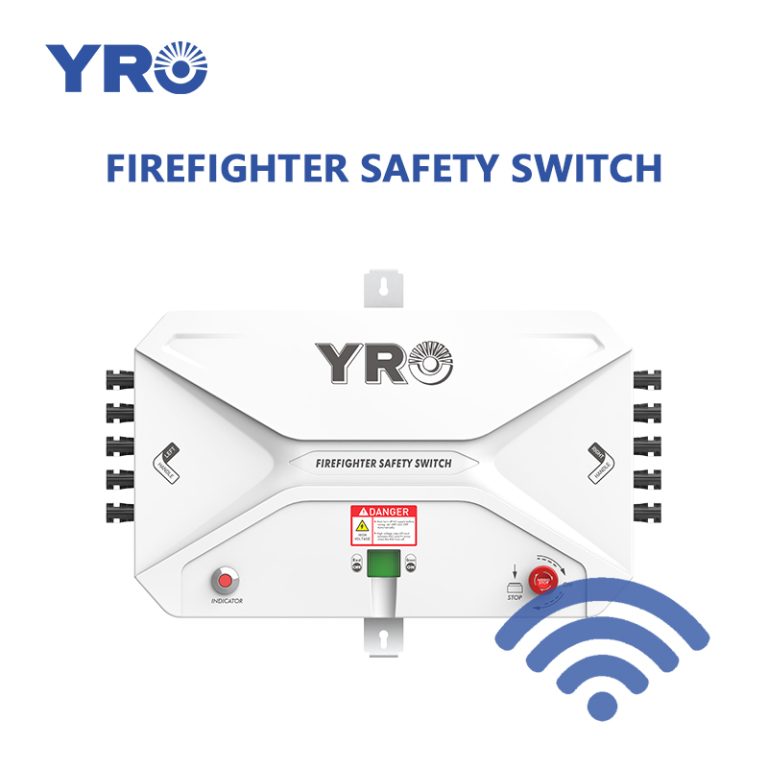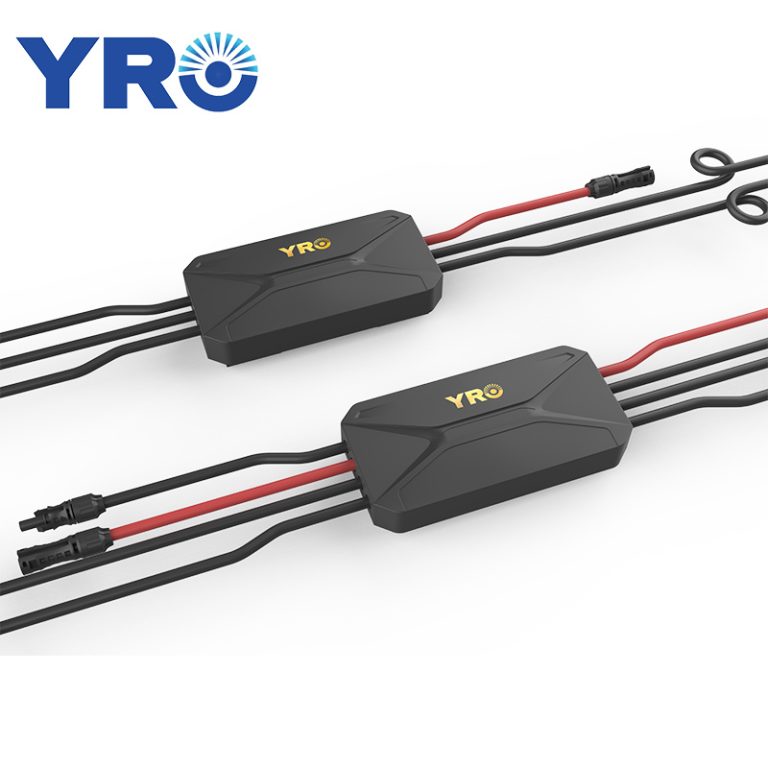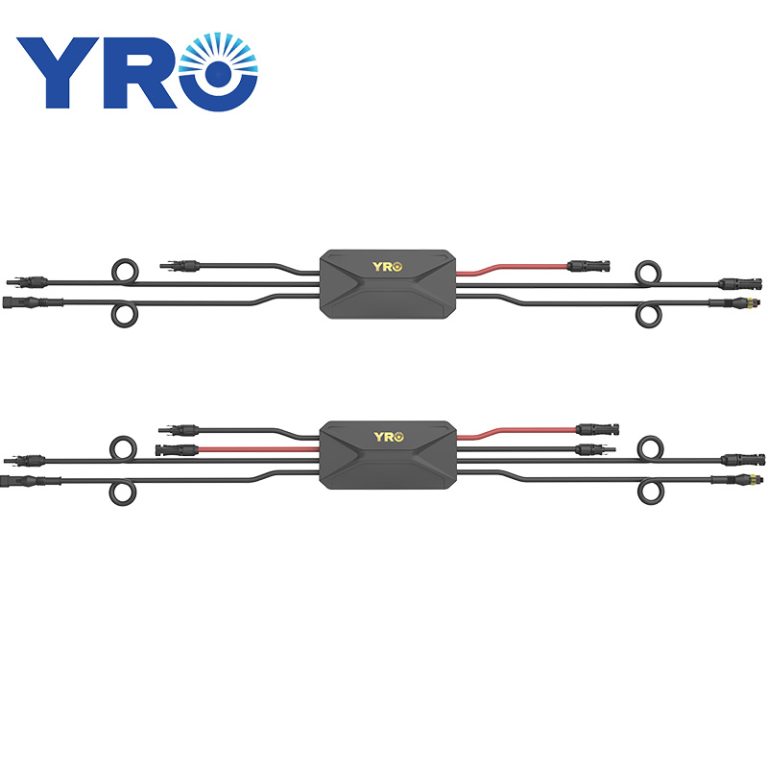






As the application of PV systems in various types of buildings gradually increases, the related safety requirements are also correspondingly rising. For U-class and S-class buildings, photovoltaic rapid shutdown switch have become a necessary safety configuration, which will affect system design, equipment selection and the safety of long-term operation.
Understanding Building Classification
Typically, regulations formulate classification based on the building’s purpose, risk (such as whether public access is allowed), and installation type, rather than simply dividing by letters. The building classification under different standards will be roughly outlined below.
- United States (NEC): Mainly classifies based on the building’s purpose and potential risk. Common categories include residential, commercial, industrial, and assembly places (such as theaters, gymnasiums), etc. This classification directly affects the application of electrical safety clauses. Buildings of different categories have detailed differences in safety requirements for electrical installations (including photovoltaic systems).
- Canada (CEC): The classification logic is similar to that of the United States, but more explicitly combines the building’s use nature and fire load. In addition to basic categories such as residential, commercial, and industrial, categories such as “high-risk industrial” are specifically defined to formulate stricter fire protection and electrical safety standards in a targeted manner.
Terminology clarification: “U Class” (usually referring to Utility) and “S Class” (possibly referring to Special or Service) are not official classifications in the field of PV safety. It may originate from certain specific projects, local regulations or simplified expressions in earlier discussions.

Why Does Building Classification Affect Rapid Shutdown Requirements?
The fundamental reason why building classification affects the requirements for rapid shutdown switch lies in the core logic of safety design: different buildings have different personnel compositions, risk characteristics, and emergency scenarios, and thus have different requirements for system reliability, response speed, operational clarity, and integration complexity.
Key Differences Comparative Analysis
| Building Category | Typical Examples | Core Personnel and Risk Characteristics | Focus of Requirements for Rapid Shutdown Systems |
| Residential Buildings | Detached houses, apartments | Mainly non-professional owners/residents. The risk is relatively singular, but firefighters need to deal with unknown roof risks. | 1. Ease Of Operation: The shutdown device must be easy for owners and non-professional electricians to identify and operate. |
| Public/Commercial Buildings | Shopping malls, schools, hospitals, office buildings | A large and dense public, with high evacuation pressure. The fire emergency response level is the highest, and the system may be more complex. | 1. Mandatory Labeling: The location, size, and content of shutdown devices and warning labels have extremely strict regulations (e.g., within 1 meter of the main disconnecting device) and must be extremely conspicuous. |
| Industrial/Factory Buildings | Factories, warehouses, data centers | Professional maintenance personnel are often present, but there may be higher fire loads (such as chemicals, stored goods). The environment may have corrosion, dust. | 1. Ultra-High Reliability: Equipment needs to work reliably for a long time in harsh industrial environments (high temperature, high humidity, dust). |
American RSD Standard System
NEC of the United States has clear and specific requirements for solar rapid shutdown device, mainly involving voltage limits and time requirements: within 30 seconds after the rapid shutdown device is activated, the voltage outside the photovoltaic array boundary must be reduced to below 30V, and the voltage inside the array boundary must be reduced to below 80V.
Canadian RSD Standard System
Canada’s requirements are equally strict, but its standards focus more on the final voltage and power limits, with the same time requirements as the United States: the rapid shutdown system must limit the voltage of the conductors it controls to ≤30V DC or ≤15V AC (RMS), while the current does not exceed 8A and the power does not exceed 240V·A.
Achieving Balance Between Safety Compliance And System Design
In building projects that plan to install solar systems, designers often need to strike a balance between safety compliance and system efficiency. Rapid shutdown requirements may affect array layout, cable length and equipment selection, but if these factors are fully considered in the early stage of design, they usually do not have a negative impact on the overall performance of the system.

Conclusion
The requirements for rapid shutdown equipment of solar systems in different buildings, reflect the increasingly mature development direction of PV safety regulations. These requirements not only focus on equipment parameters, but also emphasize availability, response efficiency and long-term reliability in real emergency scenarios.
When designing and evaluating the rapid shutdown plan for PV systems, one should not merely rely on the building classification code, but also take into account the actual usage of the building, including the characteristics of personnel activities, potential risks, and possible emergency scenarios. Through such analysis, the technical solution can better meet the actual security requirements, transforming security measures from normative requirements into specific and feasible protective functions.