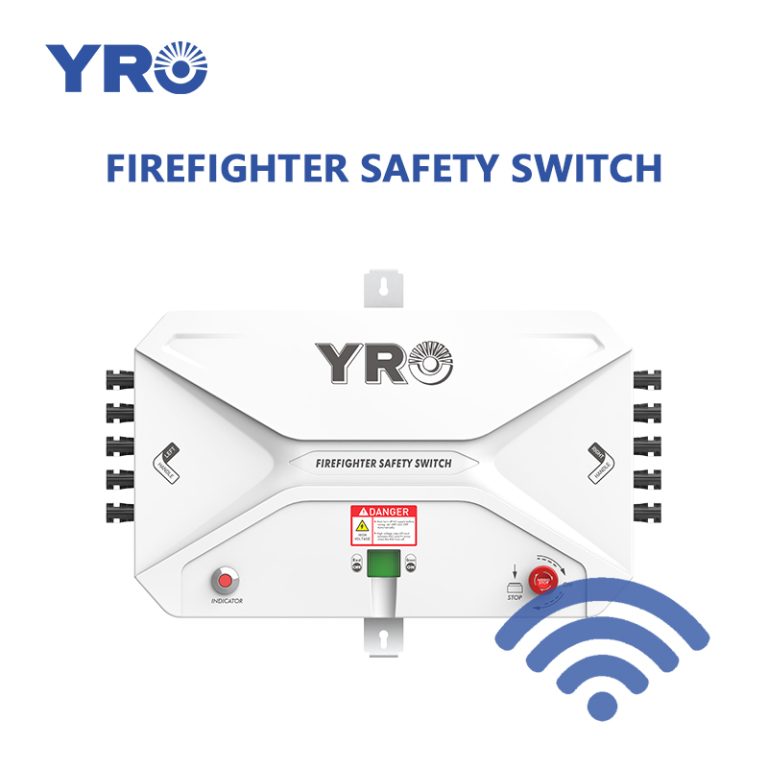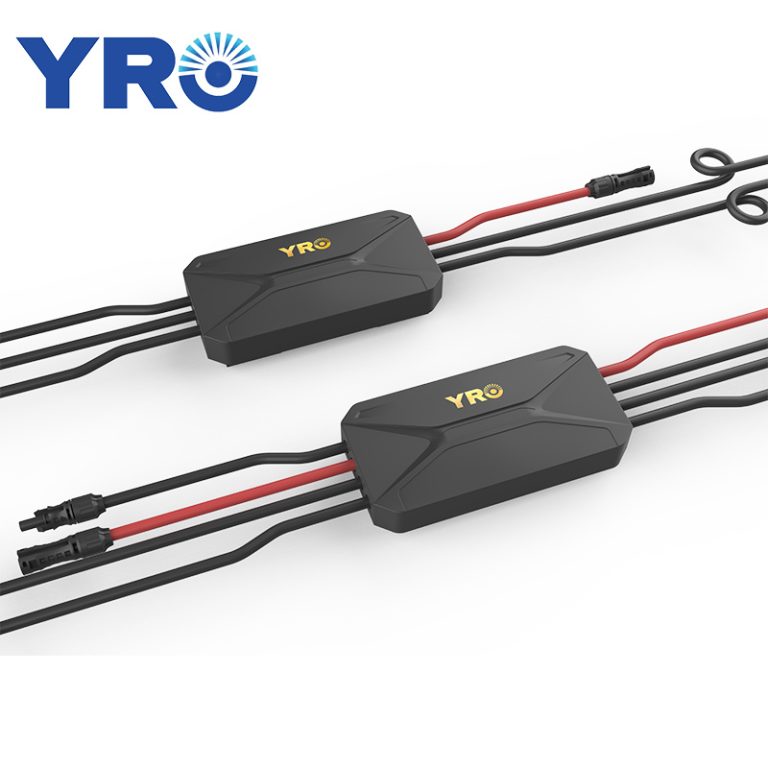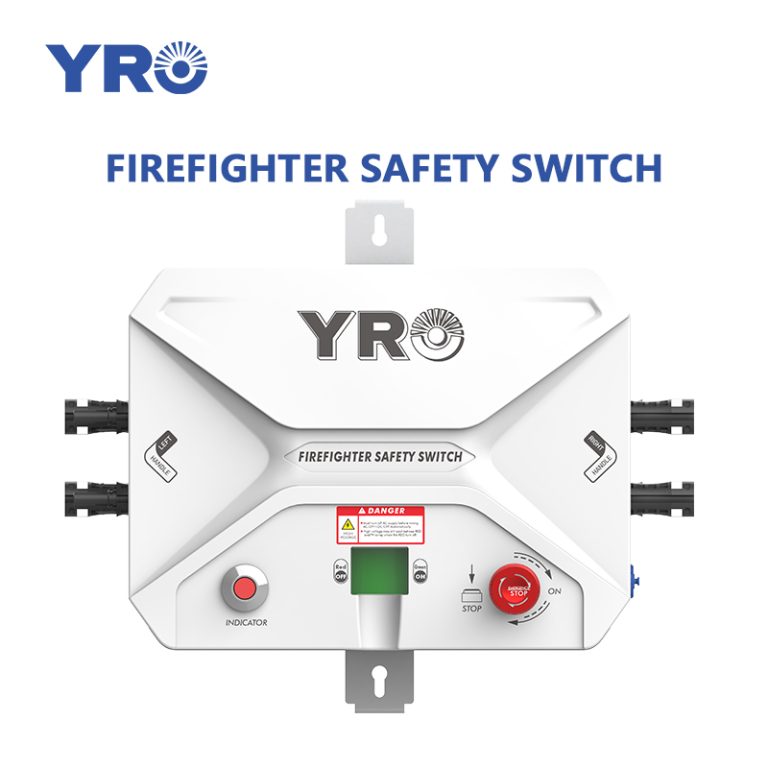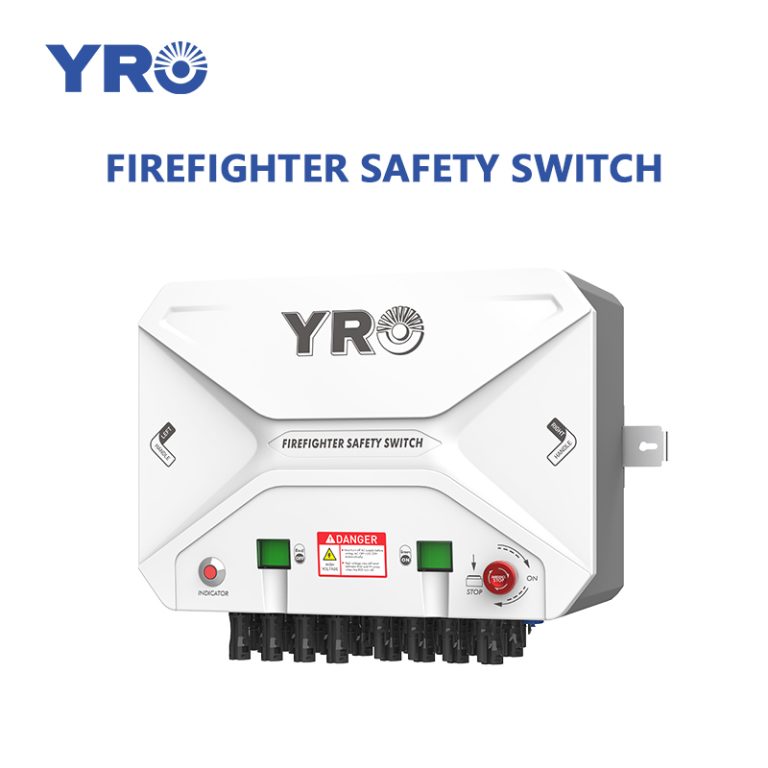





In the design and installation of photovoltaic systems, it is often asked: Can the rapid shutdown device (RSD) and the optimizer (MPPT) be used together?
The answer is affirmative. They respectively deal with the two different aspects of system security and power generation efficiency, and each has its own focus in practical applications. The configuration method that combines the two is currently quite common in modern photovoltaic systems.
Synergistic Effect of RSD and Optimizers
Optimizers are mainly used to manage the operating status of individual photovoltaic modules, aiming to improve power generation efficiency, reduce losses caused by module performance differences, and support independent monitoring of each module. Rapid shutdown devices, on the other hand, focus on safety protection functions.
Although their main functions differ, reasonable combination in system design can enhance power generation effectiveness while improving system safety.
| Characteristic | Optimizer (Performance Focus) | RSD (Safety Focus) | Combined Advantage |
| Main Function | Maximize energy output of each module | Emergency voltage reduction | Safe, optimized power generation |
| Problems Solved | Shading, mismatch, and performance issues | Hazardous DC voltage during emergencies | Comprehensive system optimization |
| Installation Level | Module-level (per panel) | Module-level or string-level | Flexible system design choices |
Common Questions About the Integration of RSD and Optimizers
Will adding both technologies affect system reliability?
Generally, there will be no negative impact. Deploying RSD and optimizers simultaneously can quickly cut off current in abnormal situations, preventing arcs and electric shocks, while improving power generation efficiency through MPPT. Overall, the safety and reliability of the system will be enhanced.
Are there performance trade-offs?
Although it has made positive contributions in terms of safety, reliability and power generation efficiency, from the perspective of cost and complexity, trade-offs are indeed necessary:
- The cost of equipment has risen (optimizer + RSD);
- The complexity of wiring has increased;
- The time for troubleshooting and maintenance may be longer.
However, this “complexity for safety” design is usually worthwhile in commercial photovoltaic systems, especially in building rooftops, carports, or projects that need to meet standards such as NEC.

Can RSDs and optimizers of all brands be mixed and matched?
It is generally not recommended to arbitrarily mix products from different brands.
Due to potential differences in communication protocols, electrical parameters, and control logic among brands, mixed usage may cause device misoperation or inaccurate monitoring data.
It is advisable to choose products that have passed compatibility certification or are certified for use within the same manufacturer’s system.
What will happen to the optimizer after the RSD is triggered?
It depends on which one is installed at the front.
The RSD is installed in front of the optimizer. Once triggered, the optimizer stops working.
The RSD is installed behind the optimizer. Once triggered, the optimizer will switch from the working state to the open-circuit state, but it will still continue to work.
Conclusion
To sum up, RSD and the optimizer can be used simultaneously.
Combining the rapid shutdown function with power optimization technology is a feasible solution for the current design of solar energy systems. This combination method can take into account both safety protection and the improvement of power generation performance in the same system.
Users can choose to pair component-level or string-level rapid shutdown switches with optimizers based on their actual needs, thereby forming configuration schemes suitable for specific projects. With the continuous development of solar energy technology, the integration of safety and performance is expected to be more perfect. Adopting this combination approach helps solar energy devices adapt to the current basic requirements and leaves room for subsequent technological development.
As a professional manufacturer of electrical and new energy products, YRO has over 10 years of production and design experience. All of our solar rapid shutdown devices are produced in our own factory and support system customization, compatibility selection and on-site technical support. If you are designing a photovoltaic system that uses both an optimizer and an RSD simultaneously, please feel free to contact us. We will provide you with professional solutions and technical assistance.