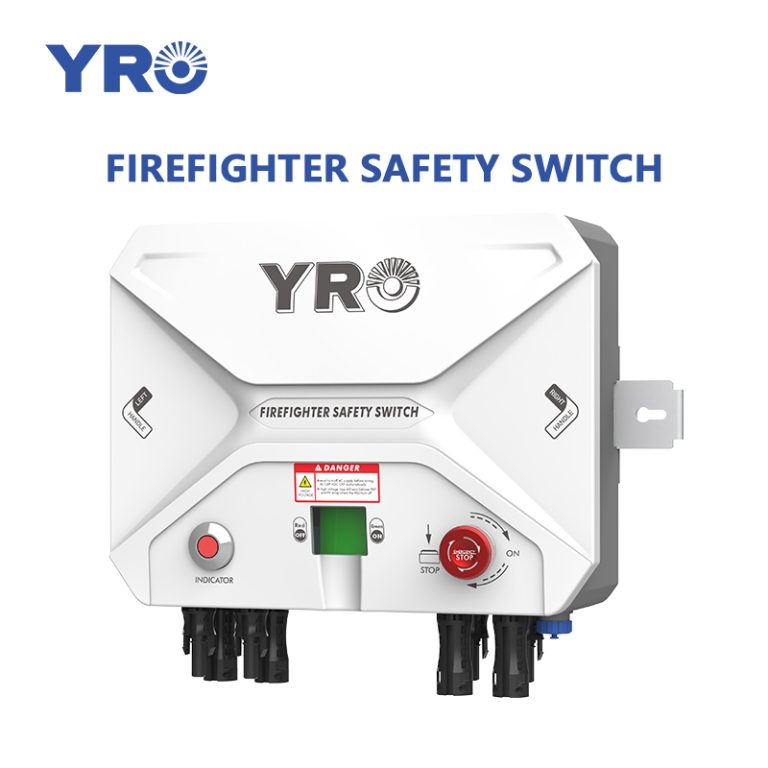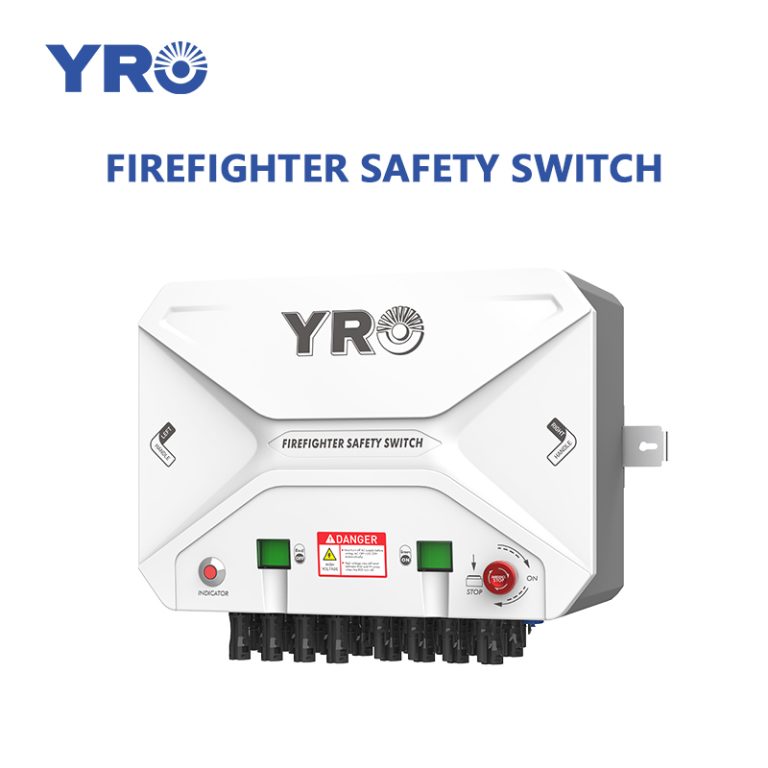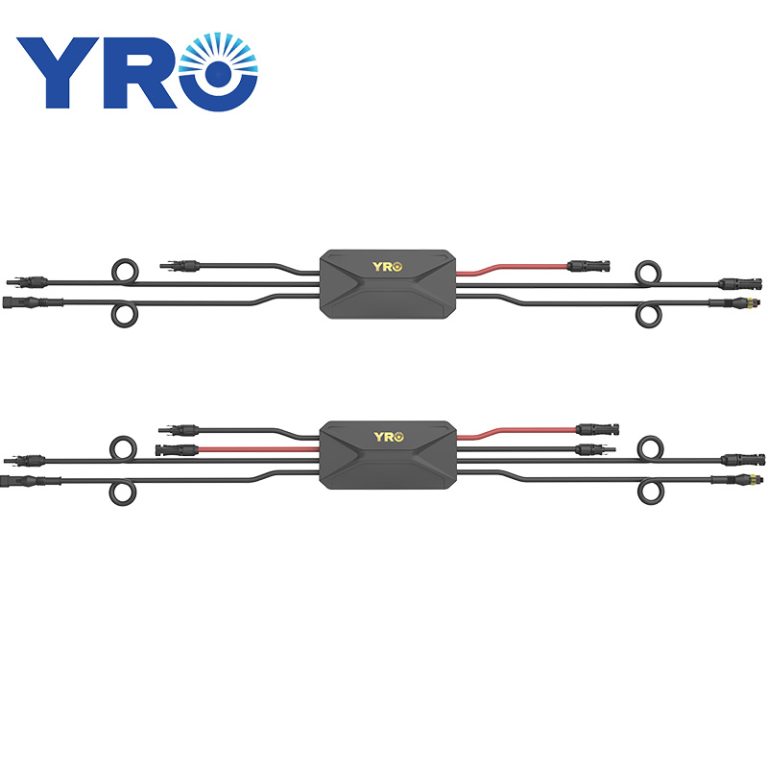






With the gradual improvement of solar energy safety regulations, more and more regions have begun to propose rapid shutdown protection for PV systems. Therefore, many users who installed the system early, construction parties and project parties have begun to consider adding a quick shut-off device to the existing system.
However, adding a rapid shutdown device to an already built system is not as simple as installing a piece of equipment. Since the original system was not designed with the component-level shutdown function in mind, to ensure the normal operation and long-term stability of the new devices, it is usually necessary to inspect, adjust or modify multiple parts of the system.
PV System Modification
Wiring Modification
The wiring infrastructure of older solar systems usually needs updating to accommodate the rapid shutdown function. Traditional series wiring is relatively simple, whereas RSD solutions often require:
- Shortening cables to allow for the installation of the RSD near or on individual modules.
- Adjusting cable routing to keep the RSD operating within specified voltage and wiring range limits.
- Adding waterproof connectors for neater cable management.
These adjustments not only ensure compatibility but also reduce roof wiring clutter, maintain ventilation behind the modules, and facilitate future maintenance. Many older systems may have existing cable lengths unsuitable for the RSD mounting location, so preparing new routing paths is a fundamental step in the upgrade.

RSD Mounting Location
The physical structure of the array must be taken into account each time the RSD is modified. Most RSD units need to be installed on the back of the module or on a PV bracket. If the system is quite old, the original layout may not have a suitable installation location.
During the installation process, the following are usually required:
- Add installation fixtures or brackets to fix the RSD;
- Check the bending radius of the wiring to avoid putting pressure on the old cables.

Inverter Compatibility
Adding an RSD generally does not require replacing the inverter, but it is essential to ensure the RSD’s control signal logic is compatible with the older inverter. Some early inverters were not designed with dedicated interfaces for rapid shutdown switch, so the first step is to verify that the inverter model is compatible with the target RSD.
Key Points for Checking Inverter and RSD Compatibility:
- Confirm if the inverter has a certified RSD interface
Many inverter manufacturers indicate supported RSD specifications (e.g., SunSpec-Listed, PVRSS-Matching) in their technical manuals or compatibility lists. When selecting components, directly compare against these lists to ensure the inverter used is listed as compatible.
- Check the communication protocol and signal method
Common RSD control signals include dry contacts, PLC, Modbus-TCP, etc. The inverter must provide corresponding output or input ports and implement the necessary protocol parsing in its firmware. If the inverter only supports the SunSpec protocol, then an RSD that also supports SunSpec must be selected.
Grounding Review
After adding additional rapid shutdown switches, the grounding path of the original system may need to be rechecked. The additional equipment will change the fault current path, so the grounding must be optimized.
Roof Cable Routing Rearrangement
Many older PV projects had relatively lax cable management, possibly lacking a complete conduit system. The number of cables increases after adding an RSD, therefore it is usually necessary to:
- Add new conduit to organize cable bundles and improve durability.
- Re-plan cable routing to avoid cable obstruction, tangling, or poor heat dissipation.

Conclusion
Installing a rapid shutdown function on the existing solar energy system is not only for compliance with regulations, but also helps enhance safety and protect relevant personnel and equipment. This renovation process needs to follow certain technical steps and is usually handled by professionals.
With the development of solar energy technology, maintaining system safety measures in line with current standards is conducive to the stable operation of the system. The renovation work discussed in this article, although it requires certain investment, has positive significance for the long-term security of the system.