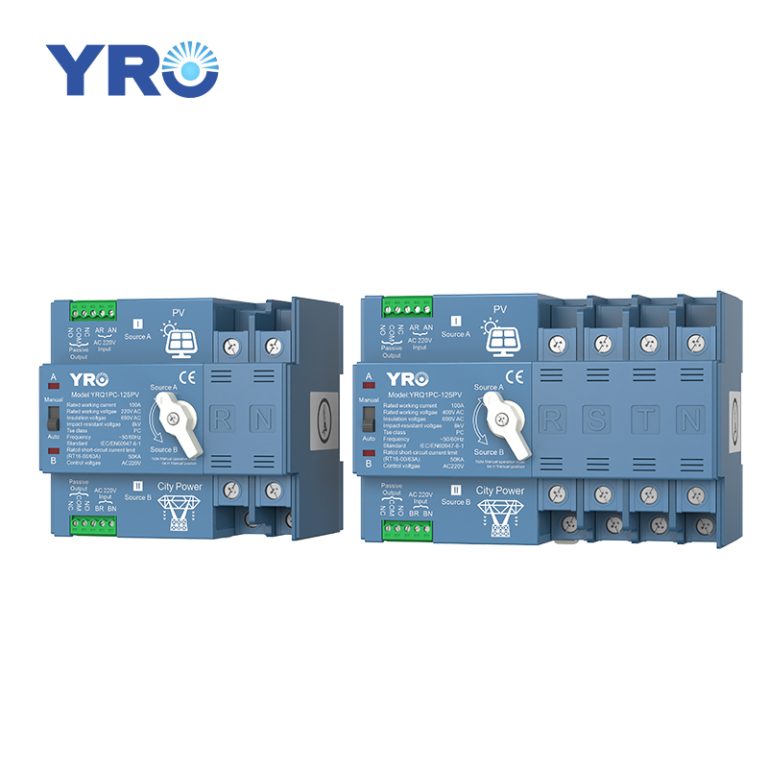






Two ATS models have the same rated parameters, but one supplier’s quote is significantly lower than the other.
Why does this happen?
The price difference of automatic transfer switch usually depends not only on the product itself, but is also influenced by the following factors:
- Material selection
- Component quality
- Production process
- Testing process
- Certification requirements
- Supply chain management
Among them, RoHS compliance requirements are one of the important factors affecting the reliable manufacturing cost of ATS.
What Factors Cause Price Differences in Automatic Transfer Switches?
The price of an automatic transfer switch is not determined solely by rated voltage and current.
The main influencing factors include material quality and component selection, including:
- Enclosure material
- Copper terminals
- Switching mechanism
- Control circuit board
- Electronic components
- Internal connection parts
Different manufacturers may use completely different grades of materials.
A reliable automatic transfer switch manufacturer needs to comprehensively consider:
- Electrical insulation performance
- Flame retardancy requirements
- Mechanical durability
- Environmental compliance requirements
Using higher-standard materials increases production costs, but improves product stability and consistency.

Why Does RoHS Compliance Affect ATS Pricing?
Answer: RoHS compliance raises the material control requirements for the entire supply chain of ATS.
RoHS (Restriction of Hazardous Substances) mainly restricts the use of certain harmful substances in electronic and electrical products. Since ATS suppliers need to maintain compliance in hundreds of materials continuously, the resulting operational costs will be directly reflected in the final quote.
If you still don’t understand, let’s be more straightforward.
RoHS restricts 10 harmful substances, including lead, mercury, cadmium, hexavalent chromium, and some phthalates. For electronic and electrical products, manufacturers need to ensure that from the main components to auxiliary materials all comply with RoHS requirements.
For example, in electronic components, traditional lead-containing solder needs to be replaced with lead-free solder that complies with RoHS requirements; at the same time, plastic parts, electroplating layers, connectors, and other auxiliary materials also need to be controlled in terms of materials. This involves material selection, supplier audits, compliance document management, and necessary testing processes.
For metal components, for example, aluminum heat dissipation structures, the aluminum material itself usually complies with RoHS requirements, but surface treatment, electroplating processes, hardware, and the use of adhesive materials still need to meet relevant restrictions. Even small auxiliary materials may affect the RoHS compliance of the entire product.
YRO: An Automatic Transfer Switch Manufacturer with CE and RoHS Certification
YRO focuses on low-voltage electrical products and new energy solutions, providing reliable automatic transfer switch products for residential, commercial, and industrial applications.
YRO YRQ4PC-63N have obtained CE and RoHS certification, meeting customer requirements for electrical safety compliance, environmental responsibility, and stable manufacturing quality.
With years of manufacturing experience, OEM/ODM capabilities, and a strict production management system, YRO provides reliable ATS solutions to global distributors, engineering contractors, and system integrators.
For purchasers who are comparing different ATS suppliers, the real difference lies not only in product specifications and quotations, but also in the manufacturing capabilities, compliance management, and quality control systems behind the products.

FAQ: Common Questions About Automatic Transfer Switch (ATS) Procurement
Q1: Are CE and RoHS the Same Type of Certification?
CE mainly focuses on product safety and market access requirements;
RoHS mainly focuses on the restrictions on harmful substances in electronic and electrical products.
The two have different focus areas, but both are important compliance factors when international market purchasing requires the assessment of automatic changeover switch.
Q2: Does RoHS Certification Only Matter to European Buyers?
No.
Although RoHS originated from EU environmental regulations, many distributors, engineering companies, and project purchasers in global markets also use RoHS certification as an important reference when evaluating suppliers.
Q3: Does a Higher-Priced ATS Always Mean Better Quality?
The higher price of automatic changeover switch may come from better materials, stricter testing processes, certification investment, production management and supply chain control.
Purchasers should not only compare quotations, but also comprehensively evaluate:
- Product materials
- Testing standards
- Certification documents
- Manufacturing capabilities
- After-sales support
For ATS products with the same parameters, the manufacturing standards behind them may be completely different.
Q4: Why Is There a Price Difference Between Smart ATS and Ordinary ATS?
Smart ATS typically includes more electronic control modules, such as:
- WiFi communication module
- Control chip
- Sensors
- APP control system
Compared to ordinary mechanical ATS switch, WiFi changeover switch requires more electronic component management and software development investment, so the cost is usually higher.
Q5: What Issues Should OEM Buyers Pay Attention to When Sourcing ATS?
If the purchaser plans to sell ATS switch under their own brand, they need to confirm:
- Whether logo customization is supported
- Whether packaging design is supported
- Whether parameters can be adjusted
- Whether technical materials are provided
- Whether there is a long-term cooperation ability
Professional ATS manufacturers usually can provide complete OEM/ODM services.
Conclusion
The differences between automatic transfer switches cannot always be seen directly from the appearance.
Behind a reliable ATS product lies material control, component selection, production processes, testing systems, and compliance management.
RoHS certification is not just a piece of paper. They reflect the manufacturer’s investment in environmental responsibility and production management capabilities.
When selecting an ATS supplier, simply pursuing the lowest price does not necessarily result in the lowest overall cost. Choosing a supplier with sound compliance capabilities and manufacturing capabilities will bring greater long-term value.