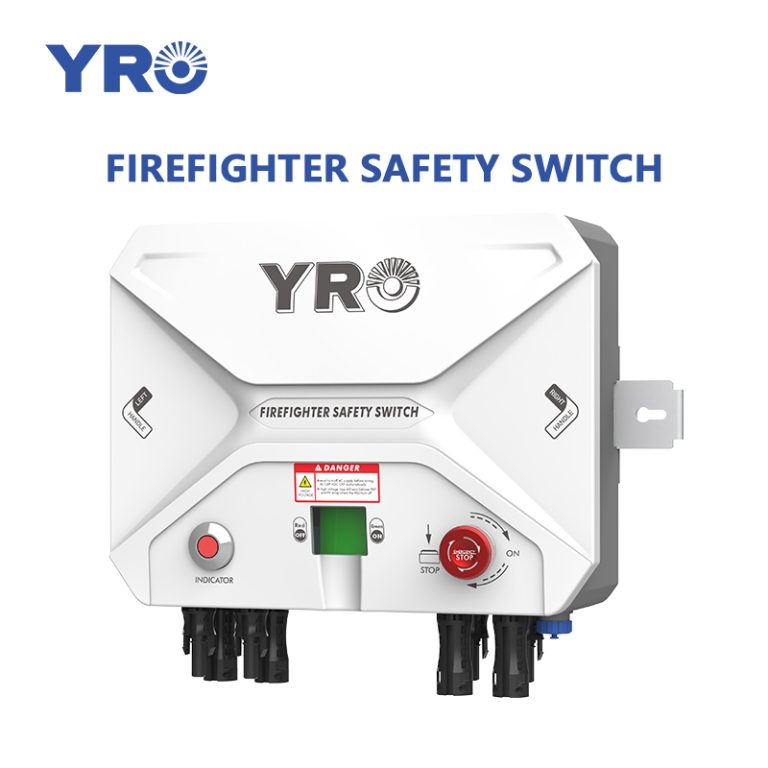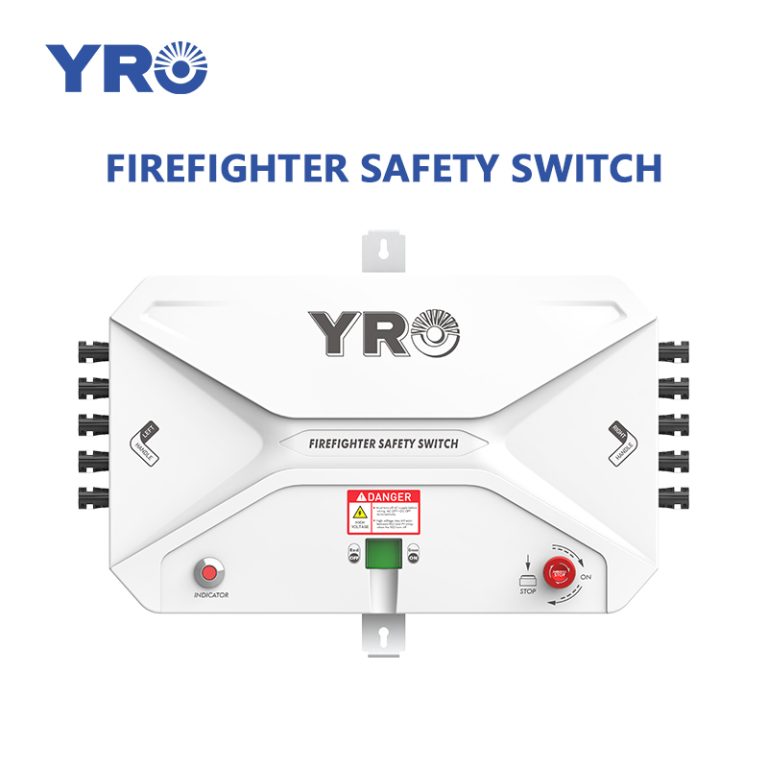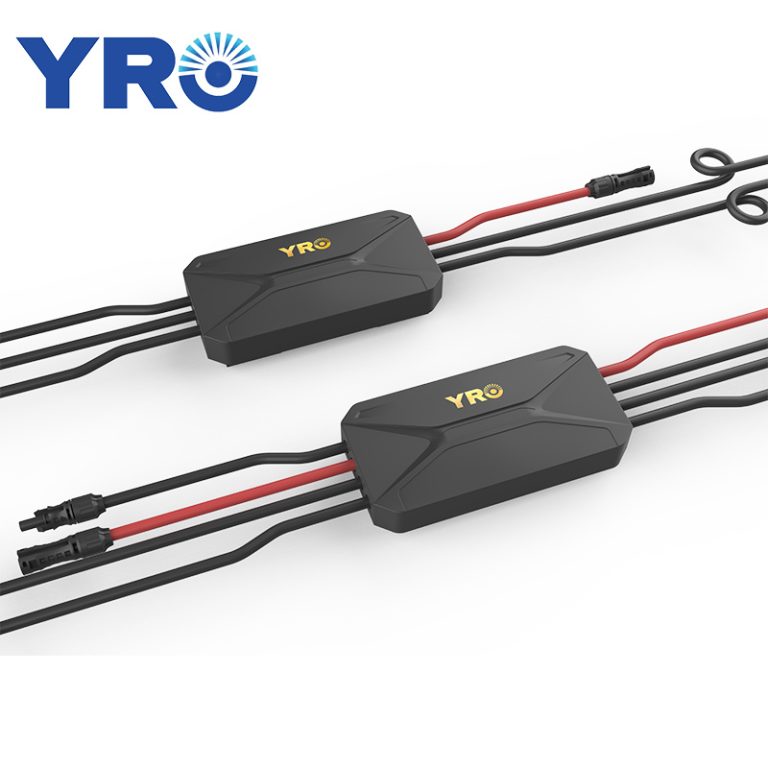






The core value of off-grid solar systems lies in “independence”. Whether installed in remote areas, islands, farms, mountain cabins, or regions with unstable power infrastructure, the system can operate stably without relying on the public power grid. However, as PV safety standards continue to update, more and more off-grid users are facing a problem: how to meet the requirements of rapid shutdown device(RSD) without weakening the system’s independence.
Why Do Off-Grid PV Systems Also Need to Pay Attention to Rapid Shutdown?
Many off-grid users may think that rapid shutdown switch only applies to grid-tied systems. But from a safety perspective, as long as the system contains long DC wiring, rooftop components, and high DC voltage, risks still exist—and these are common features of off-grid photovoltaic systems.
In practical applications, having rapid shutdown capability can reduce risks in the following scenarios:
- In emergencies such as fire, storms, or building damage, to ensure the safety of emergency responders.
- During routine inspections or maintenance, to reduce the risk of live voltage near the roof or components.
- During system upgrades, transfers, or reassessments, to improve the overall acceptable level of safety.

What Challenges Do Off-Grid Users Face When Implementing Rapid Emergency Shutdown?
Technical Adaptation and Compatibility
The independence and diversity of off-grid systems make it impossible to directly apply mainstream solutions from grid-connected systems.
- Compatibility issues: Off-grid solarsystems typically consist of components, inverters, and combiner boxes from various brands. The rapid shutdown device needs to be compatible with the electrical parameters and communication protocols of these devices, to ensure signal transmission and synchronous operation.
- Communication obstacles: In remote areas, wireless communication may be unstable, and wired wiring is more complex.
Cost Pressure
Many off-grid systems were built earlier, and the original equipment may not support rapid shutdown functionality. When retrofitting, it may be necessary to replace the original combiner box or inverter, leading to high retrofit costs. Adding new shutdown safety switch on top of that makes the cost even higher.
Impact on the System Itself
Introducing new equipment not only enhances safety but also brings new complexity and a slight impact on system efficiency.
- Increased failure points: The more electronic components there are, the greater the potential challenge to the overall reliability of the system.
- More complex installation: Component-level shutdown means adding equipment on each component, increasing the workload of installation and commissioning.

Key Points to Pay Attention to During the Design and Planning Stage
For off-grid solar users, rapid shutdown should not be an after-the-fact remedial measure but should ideally be considered during the system planning stage.
- Assess the routing and exposed length of DC wiring on the roof or structure.
- Reasonably plan the installation location of RSD devices to avoid adding unnecessary potential failure points.
- Confirm compatibility with existing inverters and power management equipment.
- Prioritize products with clear protection ratings and strong environmental adaptability.
Considering rapid shutdown during the design stage can not only reduce later retrofit costs, but also help improve the overall long-term stability of the system.
Conclusion
Rapid emergency shutdown is no longer just an issue exclusive to large grid-connected projects, it is gradually becoming a part that off-grid users need to address.
By reasonably choosing the RSD solution and incorporating compliance considerations in the early planning stage, off-grid solar users can fully meet safety requirements without sacrificing system independence. Rapid shutdown is not a restriction on independence but a guarantee for personnel safety, property safety, and the long-term sustainable operation of the system.