





Introduction
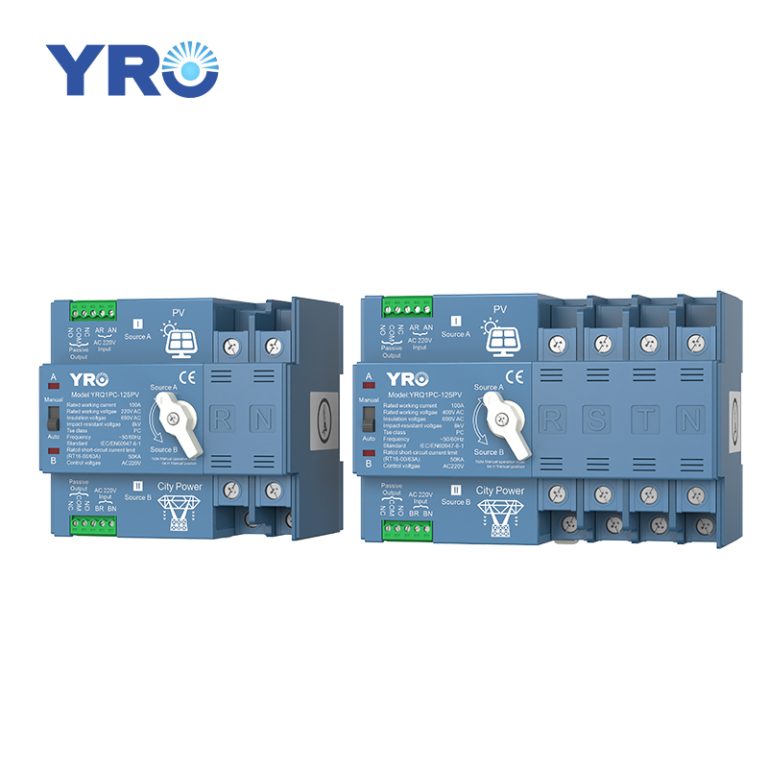
The automatic transfer switch is one of the most critical components in a backup power system. Its primary function is to ensure seamless transition between utility power and generator power when electrical supply interruptions occur.
When an ATS failure occurs, facilities may experience unexpected downtime, which can be extremely costly for manufacturing plants, data centers, hospitals, and commercial buildings.
Understanding why a transfer switch malfunction happens is essential for maintaining reliable emergency power systems.
This article discusses five common reasons why an automatic transfer switch failed to switch and provides technical insight into prevention strategies.

Reason 1: Utility Power Detection Failure
One of the most common causes of ATS failure is incorrect utility power detection.
The automatic transfer switch continuously monitors utility voltage through sensing circuits. When grid power drops below preset thresholds, the ATS should send a start signal to the generator.
However, detection failure may occur due to:
-
Sensor aging or calibration drift
-
Signal wiring damage
-
Control circuit malfunction
-
Voltage monitoring module failure
If the system cannot correctly recognize power restoration, the switch will not initiate transfer back to utility supply.
Industrial facilities should regularly verify phase monitoring ATS performance, especially in environments where electrical fluctuations are common.
Reason 2: Contactor Wear or Mechanical Failure
Mechanical components inside a transfer switch are subject to wear during repeated switching operations.
The contactor is responsible for physically connecting and disconnecting electrical loads. Over time, high-current switching can cause:
-
Contact welding caused by electrical arc
-
Spring fatigue inside switching mechanisms
-
Mechanical sticking due to heat stress
-
Surface damage caused by repeated load transfer
This type of failure is particularly common in high-load environments where industrial transfer switch systems operate continuously.
When contact surfaces deteriorate, the automatic transfer switch failed to switch even though control signals were correctly issued.
Preventive inspection should include contact resistance measurement and arc damage assessment.
Reason 3: Loose Wiring or Terminal Corrosion
Environmental exposure is another major factor affecting ATS reliability.
Facilities located in humid, dusty, or coastal regions are more vulnerable to electrical connection degradation.
Common causes include:
-
Vibration from industrial equipment operation
-
Moisture accumulation inside enclosure panels
-
Dust or debris buildup
-
Thermal expansion and contraction cycles
Loose terminal connections can increase electrical resistance, leading to overheating and potential circuit interruption.
Regular maintenance should include:
-
Terminal tightening verification
-
Internal dust cleaning
-
Visual inspection for corrosion marks
Using proper enclosure protection such as NEMA rated transfer switch housing can significantly reduce environmental risk.
Reason 4: Controller or Control Board Failure
Modern automatic transfer switches rely heavily on electronic control systems.
The controller is responsible for:
-
Monitoring voltage conditions
-
Sending generator start signals
-
Managing switching timing logic
-
Executing safety interlock protection
Controller failure can occur due to:
-
Internal power supply instability
-
Firmware logic errors
-
Component aging
-
Electrical surge damage
When the controller malfunctions, communication between the utility monitoring module and generator control system may be interrupted.
In some cases, replacement of the controller board may be required if the component is obsolete or discontinued.
For critical infrastructure, facilities should evaluate long-term spare part availability when selecting industrial transfer switch systems.
Reason 5: Improper System Configuration
System configuration errors are often overlooked but can cause serious operational problems.
An automatic transfer switch must be precisely matched to electrical system architecture.
Common configuration mistakes include:
Voltage Mismatch
The ATS must match:
-
Utility supply voltage
-
Generator output voltage
Typical industrial configurations include:
-
120/208V three-phase systems
-
277/480V commercial systems
-
Higher voltage industrial networks
Phase Configuration Errors
For three-phase ATS systems, phase monitoring is essential.
If phase A, B, or C experiences abnormal voltage conditions, the system may interpret it as power failure and trigger protection mechanisms.
Incorrect wiring of phase conductors may cause:
-
Phase imbalance
-
Equipment overheating
-
Switching malfunction
Neutral Switching Errors
Improper grounding architecture can cause transfer problems.
Engineers must determine whether a:
-
3-pole transfer switch
-
4-pole transfer switch
is required based on system bonding design.
How to Prevent Automatic Transfer Switch Failure
Preventive maintenance is the most effective strategy to extend ATS lifespan.
Regular Maintenance Inspection
Recommended maintenance includes:
-
Terminal torque verification
-
Dust and debris removal
-
Thermal hotspot scanning
-
Contact wear evaluation
Facilities should schedule professional inspection rather than attempting live electrical maintenance.
Environmental Protection
Industrial environments expose electrical equipment to harsh conditions.
Protection measures include:
-
Installing ATS inside controlled enclosures
-
Using corrosion-resistant housing
-
Ensuring proper ventilation
-
Avoiding water intrusion
Moisture is one of the most dangerous factors affecting backup power switch reliability.
Professional System Testing
Qualified technicians should perform:
-
Live load transfer testing
-
Control logic verification
-
Voltage sensing accuracy check
-
Generator communication validation
Conclusion
An automatic transfer switch plays a vital role in maintaining uninterrupted power supply for critical infrastructure.
Most cases where an ATS failed to switch are not caused by design flaws but are related to environmental exposure, mechanical wear, wiring issues, or improper configuration.
For industrial and commercial facilities, selecting a reliable industrial transfer switch and implementing preventive maintenance programs can significantly reduce operational risk.
If your facility depends on continuous power operation, working with a professional transfer switch manufacturer can help ensure system compatibility, durability, and long-term reliability.
Regular inspection and technical evaluation are strongly recommended to prevent unexpected transfer switch malfunction events.