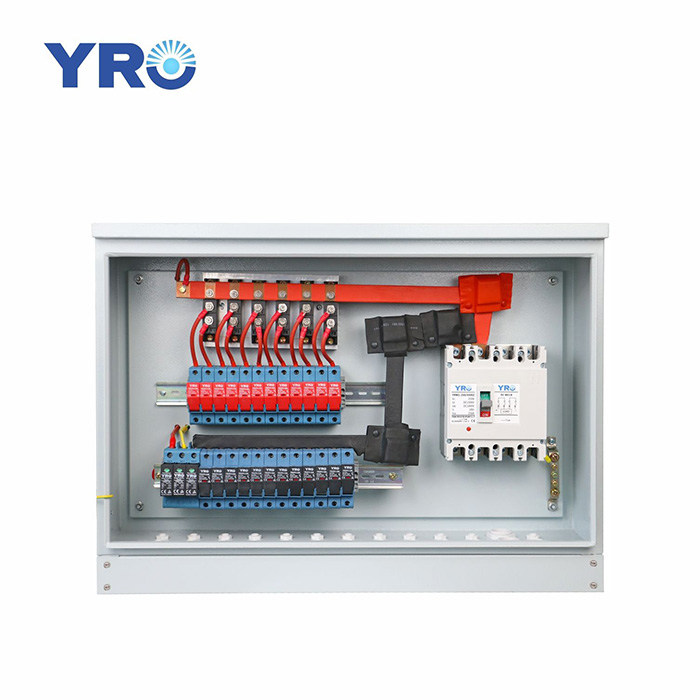






Installing a جهاز الاغلاق السريع is just the first step in securing your solar PV system. Proper testing after installation ensures that your investment not only meets safety regulations but also operates efficiently when you need it most. Whether you’re a project manager, installer, or procurement specialist, understanding the testing process protects both personnel and assets while giving you peace of mind. Let’s explore practical methods, troubleshooting tips, and real-world cases to make testing straightforward and reliable.
Preparing for a Rapid Shutdown Test
Before you jump into testing, preparation is crucial. Skipping this step could lead to false readings, unnecessary downtime, or even damage to your PV system.
Equipment and Safety Checklist
-
Confirm that the جهاز الاغلاق السريع is compatible with your PV system and inverter.
-
Ensure all personnel wear appropriate PPE, including insulated gloves and safety glasses.
-
Have a multimeter or voltage tester ready to verify electrical continuity.
-
Disconnect unnecessary loads to prevent interference during the test.
-
Ensure all documentation, including wiring diagrams and installation manuals, is on hand.
Key Points:
-
Testing without preparation increases risk.
-
Familiarize yourself with NEC or local electrical standards.
-
A well-prepared site reduces errors and saves time.
-
Safety first: even minor oversights can lead to shutdown failures.

Step-by-Step Testing Procedure
Testing your جهاز الاغلاق السريع is both an art and a science. Following a methodical approach ensures accuracy and compliance.
Testing Steps Overview
-
Verify system voltage is within operational range.
-
Activate the جهاز الاغلاق السريع via its control signal or remote switch.
-
Observe system response: check for de-energization of PV modules beyond the device point.
-
Measure output voltage with a multimeter to confirm that modules are isolated.
-
Reset the system and verify normal operation resumes without errors.
Key Points:
-
Each step should be documented to ensure traceability.
-
Avoid skipping voltage verification; false readings are common.
-
Observe real-time system response—sometimes alarms or indicators are subtle.
-
Multiple testers or team members help ensure thorough checks.
Testing Table: Rapid Shutdown Device Verification
| Step | Action | Tool Needed | Expected Result | Safety Note | Notes |
|---|---|---|---|---|---|
| 1 | Verify voltage | Multimeter | System within range | PPE required | Check all strings |
| 2 | Activate device | Remote switch / control | PV modules beyond device de-energized | Stay clear of live circuits | Observe indicators |
| 3 | Measure output | Voltage tester | Near-zero voltage beyond RSD | Do not touch live points | Confirm readings on multiple strings |
| 4 | Reset system | Device reset procedure | Normal operation resumes | PPE recommended | Record reset time |
| 5 | Document results | Log sheet | Compliance report | – | Include anomalies |
Common Pitfalls During Testing
-
Testing with improper tools can give inaccurate results.
-
Miswiring can cause the device to fail the test.
-
Environmental factors like rain or high humidity may temporarily affect readings.
-
Ignoring manufacturer instructions can lead to warranty issues.
Functional Verification and System Response Check
Once the basic step-by-step test is completed, you need to verify something more important: whether the system behaves correctly under real operational logic. This is where many installers quietly make mistakes—because everything “looks fine” doesn’t always mean it is fine.
System Response Behavior You Must Observe
-
ال جهاز الاغلاق السريع must immediately reduce PV output voltage after activation
-
Inverter shutdown should occur in a controlled and predictable sequence
-
All monitored strings should reach safe voltage thresholds within required time
-
Indicator lights or communication signals should confirm shutdown status
-
System restart should not trigger fault alarms or unstable behavior
Key Points:
-
Response speed matters more than visual confirmation
-
Partial shutdown is a red flag you should not ignore
-
Communication delay often indicates wiring or protocol issues
-
Always test multiple times under consistent conditions
-
Real-world rooftop conditions may differ from lab assumptions
Practical Field Case from a Commercial Project
In a 2MW commercial rooftop installation in Southeast Asia, the engineering team using a YRO Rapid Shutdown Device noticed something unusual during verification: one string responded slower than others. At first, everything seemed acceptable.
After deeper inspection, it turned out a connector resistance issue was causing delayed signal transmission. Without testing properly, this could have become a serious fire safety risk under high-temperature conditions.
This is exactly why functional verification is not optional—it is essential.
Compliance Verification and Documentation for Inspection
Testing is not only about functionality—it is also about proving compliance. If you are dealing with EPC contractors, inspections, or certifications, documentation becomes part of your engineering value.
What Inspectors Expect After Testing
-
Verified shutdown time logs within acceptable limits
-
Clear confirmation of جهاز الاغلاق السريع activation method
-
Wiring diagrams matching actual field installation
-
Voltage measurement records before and after shutdown
-
Proof of compliance with NEC or applicable local standards
Key Points:
-
No documentation = no compliance, even if the system works
-
Inspection failure often comes from paperwork, not hardware
-
Consistency between design and field installation is critical
-
Digital logs are increasingly preferred over handwritten reports
-
YRO-style standardized testing reports improve approval speed
Compliance Checklist Table (Field Ready)
| Item | Requirement | Tool/Method | Pass Criteria | Risk Level | Notes |
|---|---|---|---|---|---|
| Shutdown Time | NEC compliant response | Timer + monitoring system | Within required seconds | عالي | Critical for safety |
| مستوى الجهد | Post-shutdown verification | Multimeter | Safe low voltage achieved | عالي | Must test all strings |
| Wiring Match | Design vs installation | Visual + diagram check | 100% consistency | واسطة | Common EPC issue |
| Device Activation | Manual/automatic trigger | Control switch test | Immediate response | عالي | Must repeat test |
| Documentation | Full test record | Report log | Complete and traceable | واسطة | Required for inspection |
Industry Insight You Should Not Ignore
From a procurement perspective, many buyers underestimate documentation quality. In reality, inspectors in markets like the US and Europe often reject systems not because devices failed—but because testing evidence was incomplete or unclear.
This is where manufacturers like YRO add value by providing structured test guidance and compliance-ready documentation formats, making project approval significantly smoother.
Troubleshooting After Installation Testing
Even when installation is perfect, testing can reveal unexpected behavior. Instead of treating it as a failure, you should treat it as system intelligence—it tells you where risk exists.
Common Issues and Real Causes
-
Device does not trigger during test → signal wiring issue or control mismatch
-
Partial shutdown observed → inconsistent string configuration
-
Delayed response → communication resistance or protocol delay
-
System resets incorrectly → inverter compatibility problem
-
False alarms → environmental interference or grounding issue
Key Points:
-
Do not replace hardware before checking wiring logic
-
Communication faults are more common than device defects
-
Environmental conditions can temporarily affect test results
-
Always retest after correction to confirm stability
-
Manufacturer technical support can reduce diagnosis time
Real Troubleshooting Scenario (Installer Experience)
A European installer working on a residential solar project reported repeated failures during shutdown testing. Initially, they suspected the جهاز الاغلاق السريع itself was defective.
After consulting the supplier, it was discovered that the issue was caused by mixed communication protocols between inverter and shutdown module. Once corrected, the system passed all compliance tests smoothly.
Sometimes, the “problem device” is not the device at all—it is the system integration logic.

Key Engineering Insights You Should Remember
Before moving to FAQ and conclusion, here are practical insights often ignored in real-world projects:
-
Rapid Shutdown testing is both electrical and communication verification
-
System integration matters more than individual device quality
-
Environmental conditions influence test accuracy more than expected
-
Documentation is as important as physical performance
-
Repeated testing increases long-term system reliability
التعليمات
What is the first step in testing a Rapid Shutdown Device?
You should always verify system voltage and ensure safe testing conditions before activation.
Can I test a Rapid Shutdown Device without shutting down the inverter?
In most systems, controlled inverter shutdown is part of the test procedure for safety validation.
How do I know if the Rapid Shutdown Device is working correctly?
If PV voltage drops to safe levels immediately after activation, the system is functioning properly.
What tools are needed for testing?
Typically a multimeter, voltage tester, and system monitoring interface are required.
How often should Rapid Shutdown systems be tested?
At installation, after maintenance, and periodically based on regulatory requirements.
What happens if the device fails the test?
You should stop operation and inspect wiring, communication, and configuration before retesting.
Is testing required by NEC standards?
Yes, NEC requires verification of shutdown functionality for compliance approval.
Can weather affect test results?
Yes, humidity and rain can affect insulation resistance and readings.
What is the most common failure during testing?
Wiring errors and communication mismatch are the most frequent issues.
Who is responsible for testing?
Typically the installer or EPC contractor is responsible for commissioning tests.
Can Rapid Shutdown devices be retested multiple times?
Yes, repeated testing is normal and recommended for reliability.
What indicates a successful test?
Complete voltage reduction and stable system reset without alarms.
Do different brands affect testing results?
Yes, compatibility between inverter and device can influence behavior.
Why does shutdown sometimes delay?
Usually due to communication lag or resistance in wiring.
Can testing damage the system?
No, if performed correctly following manufacturer guidelines.
خاتمة
Testing a جهاز الاغلاق السريع, especially a جهاز الاغلاق السريع installed in modern PV systems, is not just a routine checklist—it is a critical safety validation step that directly impacts system reliability, compliance, and long-term operational safety. From installation verification to functional testing and compliance documentation, every stage ensures that your solar project performs safely under real-world conditions.
For procurement teams and EPC contractors, choosing a reliable manufacturer like YRO means not only getting a product but also gaining structured technical support, installation guidance, and compliance-ready documentation. In today’s solar industry, that combination is what reduces risk and accelerates project approval.
If you are planning your next solar project, don’t treat testing as an afterthought—treat it as part of your engineering design. And if you need stable, certified, and field-proven protection devices, YRO is ready to support your system from installation to long-term operation.