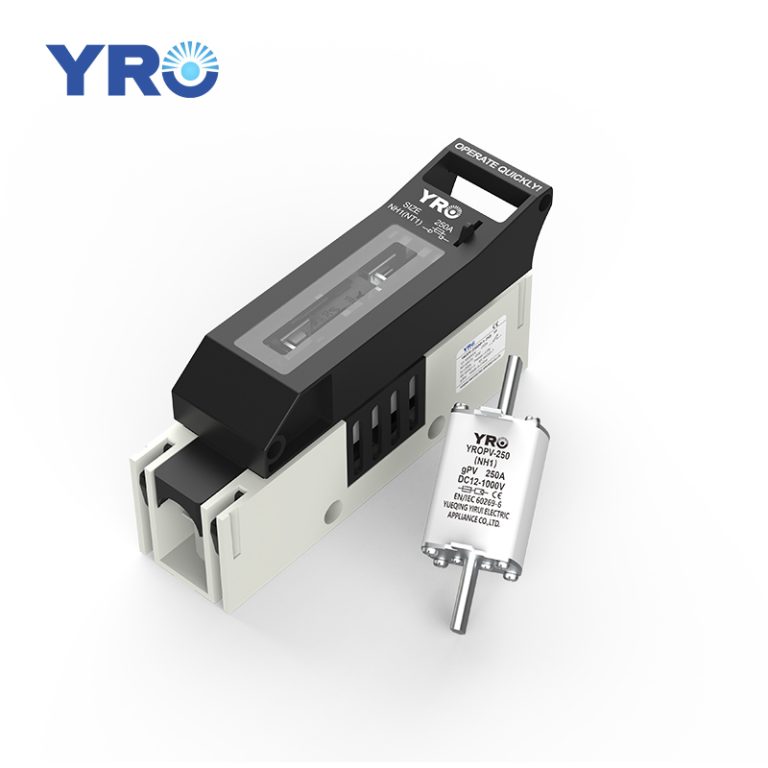






Investing in photovoltaic (PV) systems brings long-term energy savings and sustainability benefits. However, these systems operate under high-voltage direct current (DC) conditions, which come with critical safety risks. If not addressed properly, these risks can cause equipment damage, financial losses, and even endanger human lives. Rapid Shutdown Devices (RSD) are designed to address these risks directly, ensuring both safety and compliance. Below, we explore ten critical risks and how RSD offers practical solutions.

Fire Hazards in PV Systems – How RSD Prevents Fire Escalation
Risk: PV systems generate continuous DC power, and damaged wires, degraded insulation, or faulty connectors can create hotspots that trigger fires.
Consequence: In residential rooftops, fire can quickly spread to living spaces. In commercial plants, fire may destroy costly assets and halt operations.
RSD Solution: RSD cuts DC voltage to a safe level (≤30V) within seconds during shutdown, removing the power source feeding the fire. This prevents escalation, protects your property, and enables safer intervention by emergency responders.
Arc Faults and Electrical Noise – RSD Cuts the Spark Before It Grows
Risk: Loose connections or damaged cables can produce arc faults, generating high-temperature sparks.
Consequence: These sparks can ignite flammable materials and create electromagnetic interference that disrupts system reliability.
RSD Solution: RSD isolates the faulty string quickly, preventing arc continuation and reducing the chance of ignition. This ensures a safer environment and enhances overall system stability.
Overvoltage and Lightning Strikes – RSD Provides Extra Layer of Protection
Risk: Lightning or sudden grid disturbances can induce overvoltage in PV arrays.
Consequence: Sensitive components such as inverters and monitoring devices may be permanently damaged, leading to downtime and costly replacements.
RSD Solution: By disconnecting strings and reducing residual voltage, RSD minimizes the impact of surges, acting as an additional layer of protection alongside surge protection devices.
Connector Failures – Isolating Fault Strings with RSD
Risk: Improperly mated or weather-damaged connectors often overheat and fail.
Consequence: Localized heating can escalate into system-wide issues, resulting in costly repairs and safety hazards.
RSD Solution: RSD enables quick isolation of affected strings, stopping fault propagation. This containment protects the rest of your array and simplifies maintenance.
Isolation Issues During Maintenance – RSD Ensures Zero-Voltage at Worksite
Risk: Technicians often work on energized DC lines during maintenance.
Consequence: Even trained professionals face serious electrical shock risks, especially in large-scale PV installations.
RSD Solution: RSD ensures zero-voltage at the worksite by shutting down DC circuits at the module or string level. This allows technicians to service equipment safely without exposure to dangerous voltages.
Emergency Shutdown Delays – RSD Enables One-Click Rapid Response
Risk: In emergencies, delays in shutting down PV systems increase hazards for people and property.
Consequence: Firefighters or emergency crews may face unsafe conditions, limiting their ability to act quickly.
RSD Solution: RSD provides one-click or automatic rapid shutdown, enabling fast, predictable power-off response. This protects first responders and ensures emergency teams can operate without unnecessary risk.
Equipment Damage from Overcurrent – Limiting Impact with Rapid Shutdown Devices
Risk: Fault conditions can create overcurrent, stressing wires, connectors, and system electronics.
Consequence: Persistent overcurrent may damage inverters, shorten component lifespan, and reduce system ROI.
RSD Solution: RSD limits exposure to fault currents by isolating circuits quickly. This proactive protection minimizes equipment wear and extends system longevity.
System Reliability Under Harsh Conditions – RSD Improves System Reliability in Extreme Environments
Risk: PV systems installed in regions with high heat, humidity, dust, or snow face increased failure risks.
Consequence: Harsh environments accelerate aging, increasing safety risks and lowering uptime.
RSD Solution: RSD helps maintain stability by offering controlled shutdown during environmental stress events. This ensures reliable operation and prevents small issues from turning into large-scale failures.
Safety Compliance with International Standards – Meeting NEC, UL, IEC Requirements
Risk: Non-compliance with safety regulations can lead to project delays, failed inspections, and liability issues.
Consequence: Without meeting standards like NEC 690.12, projects may not qualify for grid connection or insurance coverage.
RSD Solution: RSD is designed to meet strict international standards (NEC, UL, IEC), ensuring your system is both legally compliant and insurable. This compliance protects your investment and enables smooth project approvals.
Human Safety in Emergency Response – Protecting Firefighters and Technicians
Risk: First responders face extreme danger when PV systems remain energized during emergencies.
Consequence: High-voltage lines increase the risk of electrocution, preventing firefighters or rescue teams from working effectively.
RSD Solution: With RSD, rooftop or array voltage drops to safe levels, protecting human lives. By eliminating high-voltage exposure, RSD provides peace of mind for everyone who may need to interact with your system.
Abschluss
Addressing PV system safety risks is not optional—it’s essential to protect both assets and people. From fire hazards to compliance challenges, each risk has real financial and human consequences. Schnellabschaltgeräte provide proven solutions by minimizing danger, meeting global standards, and enhancing system reliability. By integrating RSD into your projects, you secure long-term safety, ensure regulatory compliance, and protect your investment from unexpected losses. Kontaktieren Sie uns oder Visit our Web to get more info.