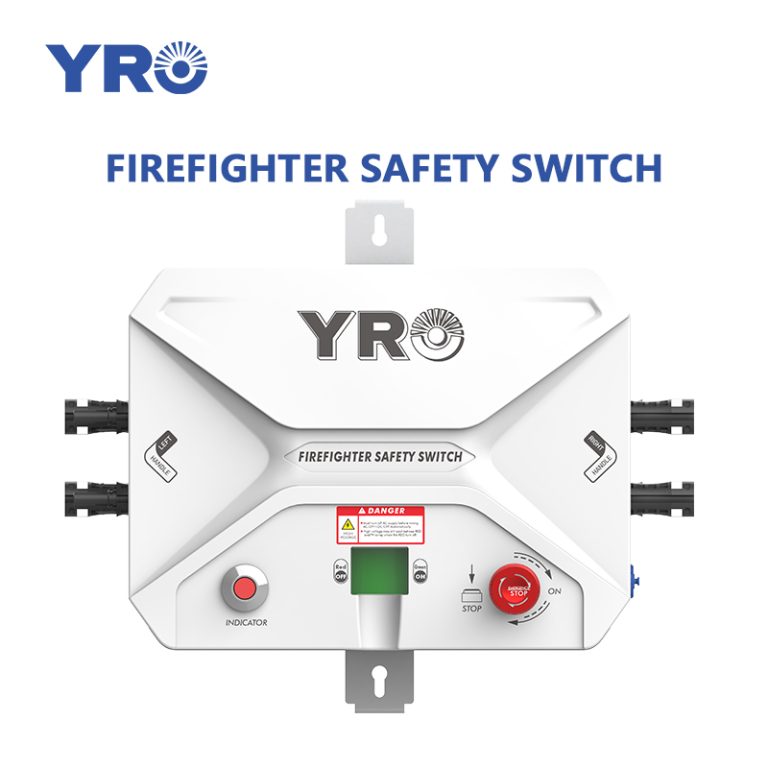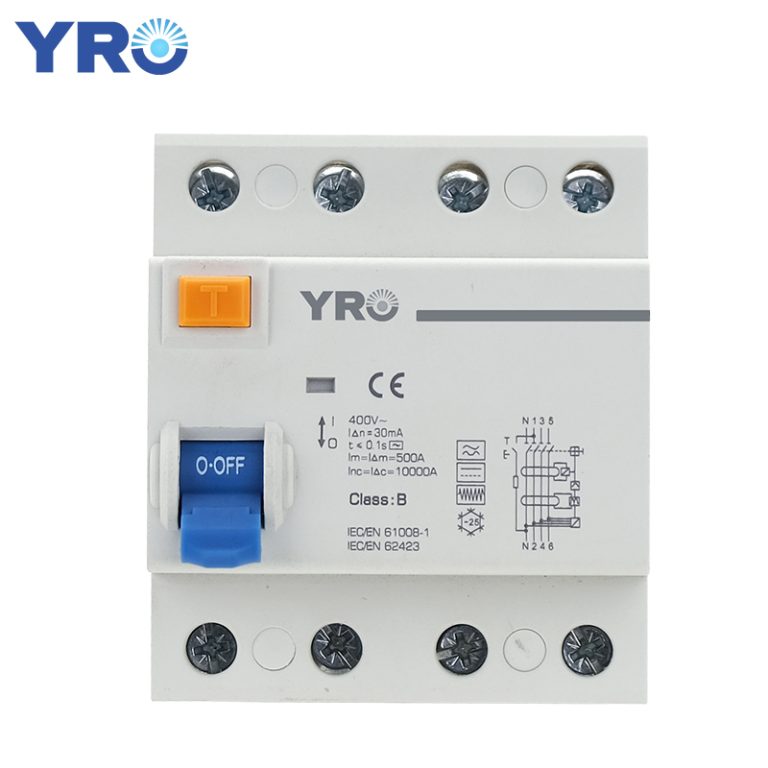






When you design or upgrade a solar project, you need a rapid shutdown solution that meets NEC 2017/2020 safety codes while keeping installation costs under control. You are likely comparing string level rapid shutdown et module level rapid shutdown to decide which works best for your business. This guide gives you clear, buyer-focused answers.
What Are String-Level and Module-Level Rapid Shutdown?
String-Level Rapid Shutdown
A system that shuts down DC voltage at the string level, cutting power for the entire PV string when emergency shutdown is activated. It is simpler, more affordable, and suitable for many commercial systems.
Module-Level Rapid Shutdown
A device installed on each PV module that brings module voltage below 30V within 30 seconds, meeting the strictest NEC requirements. It delivers maximum safety and panel-level isolation.
6 Key Differences Between String-Level and Module-Level Rapid Shutdown
Below is a clear comparison so you can quickly understand which technology suits your project.

1. Safety Performance
String Level: Cuts power at the string boundary. Voltage between modules may still exist inside the array.
Module Level: Shuts down each module, providing the highest possible safety for firefighters and maintenance teams.
Example:
A school rooftop project in Texas required sub-30V module-level shutdown due to strict local code enforcement. Only a module level rapid shutdown solution was accepted.
2. NEC Compliance Requirements
NEC 2017: Often allows string-level solutions depending on layout.
NEC 2020: Strongly favors module-level shutdown in most rooftop scenarios.
If your AHJ (Authority Having Jurisdiction) enforces NEC 2020 strictly, you may need module-level protection.
3. Installation Complexity
String-Level Rapid Shutdown:
Fewer devices → faster installation
Lower wiring complexity
Module-Level Rapid Shutdown:
Requires one device per module
More wiring, more labor time
Installer feedback example: A commercial EPC reported a 30% faster installation time using string-level RSD in a 500 kW system because only a few devices were mounted near the combiner box.
4. Cost Differences
String Level: Lower device cost + lower labor
Module Level: Higher cost due to per-module devices, but higher safety
For large commercial rooftops (200 kW+), string level is often more cost-efficient unless local codes demand module-level.
5. Troubleshooting and Maintenance
String Level:
Fewer components → easier troubleshooting
Simple to replace
Module Level:
More devices mean more potential failure points
Harder to access if mounted behind panels
6. Monitoring and System Visibility
Some module-level systems integrate monitoring, allowing panel-level performance data.
String-level shutdown typically provides string-level visibility only.
For EPCs managing long-term O&M contracts, module-level monitoring can reduce diagnostic time.
Comparison Table: String-Level vs Module-Level Rapid Shutdown
| Fonctionnalité | String-Level Rapid Shutdown | Module-Level Rapid Shutdown |
|---|---|---|
| Safety Level | Moyen | Highest |
| NEC 2017 Compliance | Oui | Oui |
| NEC 2020 Compliance | Limited | Fully compliant |
| Installation Complexity | Faible | Haut |
| Maintenance | Easy | Moderate/Hard |
| Cost | Inférieur | Plus haut |
Which Solution Should You Choose?
Choose String-Level Rapid Shutdown if you:
-
Manage large commercial projects
-
Want a cost-effective, low-complexity solution
-
Are operating in regions where NEC 2017 is acceptable
Choose Module-Level Rapid Shutdown if you:
-
Must meet NEC 2020 module voltage requirements
-
Install on schools, hospitals, or buildings with strict safety regulations
-
Need highest-level firefighter protection
Recommended Rapid Shutdown Solution from YRO
If you want a reliable, code-compliant shutdown solution, YRO offers advanced dispositifs d'arrêt rapide designed for both string-level and module-level architectures.
🔗 View product:
https://www.yroele.com/rapid-shutdown-device/
With proven performance in commercial and industrial PV systems worldwide, YRO RSD helps you simplify installation while enhancing on-site electrical safety.
Conclusion
When comparing string level rapid shutdown et module level rapid shutdown, you should focus on code compliance, installation cost, and safety needs. By understanding these six key differences, you can select the most suitable solution for your project. YRO provides dependable RSD products customized for professional solar installers and EPCs.
FAQs
1. Do all rooftop PV systems require module-level rapid shutdown?
Not always. It depends on local enforcement of NEC 2017 or NEC 2020. Some areas accept string-level, while others require module-level.
2. Is module-level rapid shutdown always safer?
Yes. It isolates voltage down to each PV module, offering the highest protection for firefighters.
3. Will string-level RSD pass inspections?
In many commercial projects under NEC 2017, yes. Always confirm with your AHJ before finalizing design.
4. Does YRO offer both string and module-level solutions?
Yes. YRO rapid shutdown devices support various PV layouts and compliance requirements.