





Introduction
As solar photovoltaic (PV) installations continue to expand worldwide, safety requirements for solar electrical components are becoming increasingly important. From residential rooftops to large commercial and industrial PV projects, installers need reliable equipment that not only performs well but also meets strict safety regulations.
A rapid shutdown device is a critical safety component designed to quickly reduce or disconnect DC voltage from PV systems during emergency situations, maintenance, or firefighting operations. However, selecting the right product involves more than comparing technical specifications or pricing. Solar installers must also verify whether the device meets required certifications and industry standards before purchase.
A properly certified rapid shutdown device helps ensure:
- Compliance with local electrical regulations
- Safer PV system operation
- Easier project approval and inspection
- Improved long-term system reliability
For solar installers, EPC contractors, and system integrators, understanding rapid shutdown device certification requirements is essential when choosing products for modern PV applications.
This guide explains the key certifications, standards, and verification steps installers should consider before purchasing a rapid shutdown solution.

Why Certifications Matter for Rapid Shutdown Devices
Certifications are not simply documentation provided by manufacturers. They represent a verification process that confirms whether a product has been tested according to recognized safety and performance requirements.
For solar safety equipment such as rapid shutdown devices, certifications play an important role in ensuring reliable operation throughout the PV system lifecycle.
Ensuring Solar System Safety
A solar PV system operates under unique electrical conditions because photovoltaic modules continuously generate DC power whenever exposed to sunlight.
Without proper protection, PV systems may create safety risks during:
- Fire emergencies
- Electrical maintenance
- System inspections
- Equipment replacement
A certified solar safety device is designed and tested to ensure reliable shutdown performance under specific operating conditions.
Certification helps verify that the product has undergone evaluation related to:
- Electrical insulation performance
- Voltage protection capability
- Thermal performance
- Environmental durability
- Operational reliability
For installers, choosing certified equipment reduces the risk of unexpected failures and improves overall PV system safety.
Meeting Regulatory Requirements
Solar projects must comply with different electrical standards depending on the installation location.
For example, projects in North America often need to meet NEC requirements, while European installations may require compliance with CE and IEC standards.
A NEC compliant rapid shutdown device helps installers satisfy safety requirements related to:
- Emergency shutdown functions
- Voltage reduction requirements
- Firefighter protection
- System inspection approval
Using non-compliant equipment can result in:
- Failed inspections
- Project delays
- Additional replacement costs
Therefore, certification verification should be an essential step before purchasing rapid shutdown products.
Reducing Risks During Installation and Operation
Certified rapid shutdown devices provide greater confidence throughout installation and operation.
For installers, certified products help reduce risks such as:
- Incorrect product application
- Safety failures
- Compatibility problems
- Unexpected maintenance issues
A reliable certification record also demonstrates that the manufacturer follows professional quality control procedures.
What Certifications Should a Rapid Shutdown Device Have?
Different markets and applications may require different certifications. Before purchasing a rapid shutdown device, solar installers should understand the major standards commonly associated with PV safety equipment.
UL Certification: A Key Requirement for North American Solar Markets
For solar projects in the United States and other North American markets, UL certification is one of the most important considerations when selecting a rapid shutdown device.
A UL certified rapid shutdown device has been evaluated according to recognized safety testing procedures.
UL certification helps verify:
- Electrical safety performance
- Product construction quality
- Operational reliability
- Compliance with applicable safety requirements
For many commercial and residential solar projects, UL certification is an important requirement during product approval and installation inspection.
When purchasing a rapid shutdown device, installers should confirm:
- The UL certification belongs to the actual product model
- The certification covers the intended application
- The certification remains valid
A valid UL certification provides additional confidence that the product can perform safely in real PV environments.
NEC 690.12 Compliance: Understanding Solar Rapid Shutdown Requirements
The NEC 690.12 rapid shutdown requirements are among the most important regulations related to PV system safety in the United States.
These requirements were developed to improve firefighter safety by ensuring that PV systems can quickly reduce hazardous DC voltage levels during emergencies.
A NEC compliant rapid shutdown device should support the required shutdown functionality defined by the National Electrical Code.
Key considerations include:
- Shutdown response capability
- Voltage reduction performance
- System compatibility
- Installation requirements
For solar installers working on projects requiring NEC compliance, selecting a device that meets NEC 690.12 requirements helps simplify project approval and reduce compliance risks.
CE Certification: Requirements for European Markets
For solar projects in Europe and other international markets, CE certification is an important indicator of product compliance.
A CE-certified rapid shutdown device demonstrates that the product meets applicable European requirements related to:
- Health protection
- Electrical safety
- Environmental considerations
CE certification is commonly required for products entering European markets and helps ensure that solar safety equipment meets regional regulations.
For international solar projects, installers should confirm whether the rapid shutdown device carries valid CE documentation before purchase.
IEC Standards: Supporting Global Solar Applications
IEC standards provide internationally recognized guidelines for electrical products and renewable energy equipment.
Compliance with relevant IEC standards for solar devices helps ensure:
- Product reliability
- Consistent manufacturing quality
- International compatibility
For manufacturers supplying global solar markets, IEC compliance demonstrates that products are designed according to widely accepted technical requirements.
Installers working on international PV projects should evaluate whether the selected rapid shutdown device meets the applicable IEC standards required in their region.
How to Verify Rapid Shutdown Device Certification Before Purchase
Having a certificate is important, but installers should also verify whether the certification information is accurate and applicable to the actual product being purchased.
The following steps can help ensure a reliable purchasing decision.
Check Official Certification Documents
Before purchasing a rapid shutdown device, installers should request official certification documents from the manufacturer.
Important information to verify includes:
- Certification number
- Testing organization
- Product model
- Certification scope
- Validity period
A professional rapid shutdown device manufacturer should be able to provide clear documentation and technical support.
Avoid suppliers that cannot provide complete certification information.
Confirm Certification Matches the Actual Product Model
One common mistake during procurement is assuming that a manufacturer’s certification automatically applies to all products.
However, certifications are usually issued for specific product models.
Installers should confirm:
- Product model number matches certification documents
- Electrical specifications match the certified product
- Certification covers the intended installation environment
Using a product with unclear certification status may create compliance issues during project inspection.
Evaluate Manufacturer Quality Control
Certifications demonstrate product compliance, but manufacturer capability is also important.
Before selecting a supplier, installers should evaluate:
- Manufacturing experience
- Production testing procedures
- Quality management systems
- Technical support capability
A reliable manufacturer should have processes for:
- Incoming material inspection
- Production testing
- Final product verification
- Quality traceability
This ensures that every rapid shutdown device delivered to customers maintains consistent performance.
Common Mistakes When Buying Rapid Shutdown Devices
Choosing Products Based Only on Price
Price is an important consideration, but it should not be the only purchasing factor.
Low-cost products may lack:
- Required certifications
- Reliable performance testing
- Long-term technical support
Choosing a certified and reliable product often provides better value throughout the PV system lifecycle.
Ignoring Regional Compliance Requirements
Different countries and regions have different solar safety requirements.
A product suitable for one market may not meet another market’s standards.
Before purchasing, installers should confirm:
- Local regulations
- Required certifications
- Project approval requirements
Not Checking Manufacturer Experience
The quality of a rapid shutdown device depends not only on certification but also on manufacturing capability.
Experienced manufacturers usually provide:
- Better product consistency
- Stronger technical support
- More reliable supply capacity
Choosing an experienced supplier reduces procurement risks.
How Certified Rapid Shutdown Devices Improve Solar Project Reliability
Certified rapid shutdown devices provide benefits beyond regulatory compliance.
They contribute to safer and more reliable solar installations in several ways.
Easier Project Approval
Using certified equipment simplifies communication between:
- Installers
- Inspectors
- Project owners
- Regulatory authorities
Proper certification documentation helps accelerate approval processes and reduces potential delays.
Safer Installation and Maintenance
Certified rapid shutdown devices support safer working conditions for:
- Solar installers
- Maintenance technicians
- Emergency responders
By providing reliable shutdown performance, they help reduce electrical hazards during system servicing.
Better Long-Term Performance
Solar systems are designed to operate for decades.
High-quality certified equipment helps improve:
- System reliability
- Maintenance efficiency
- Operational stability
Selecting certified components is an important investment in long-term PV system performance.
Why Choose YRO Certified Rapid Shutdown Devices?
YRO provides reliable rapid shutdown devices designed for modern solar PV safety requirements.
With professional manufacturing capabilities and a focus on solar electrical safety, YRO supports installers, distributors, and system integrators worldwide.
International Certifications
YRO rapid shutdown solutions are designed to meet international market requirements, including:
- UL certification
- CE certification
- IEC compliance
These certifications help ensure reliable application across different solar markets.
Reliable Product Testing
YRO applies strict quality control processes to ensure product performance and reliability.
Testing procedures include:
- Electrical performance verification
- Safety testing
- Product inspection
- Quality evaluation
This helps ensure consistent performance across different PV applications.
Solutions for Different Solar Applications
YRO provides rapid shutdown solutions suitable for various PV systems, including:
- Residential solar installations
- Commercial rooftop PV systems
- Industrial solar projects
- Large-scale PV applications
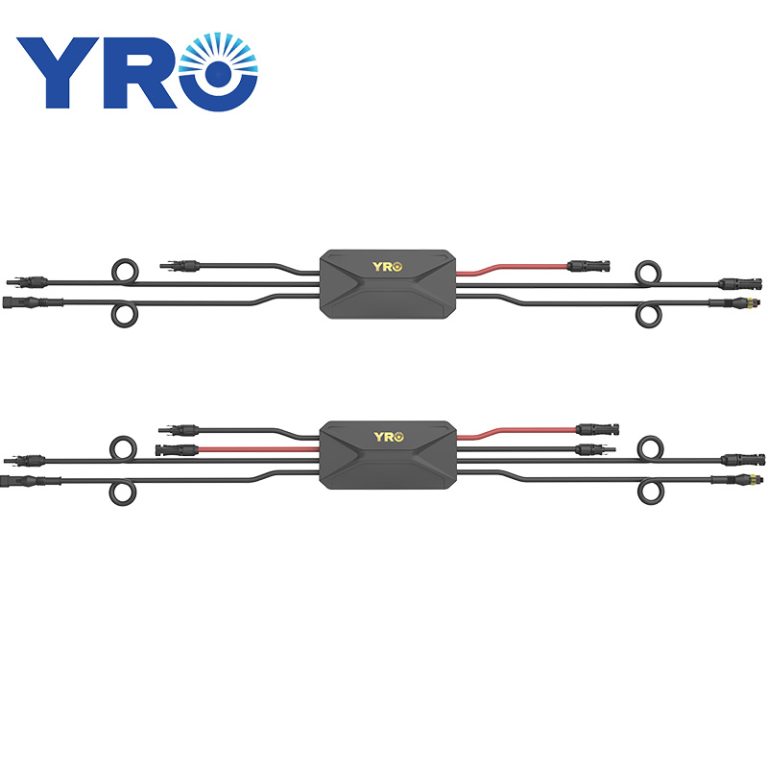
Whether a project requires module-level or string-level shutdown solutions, YRO can provide suitable safety products.
Professional Manufacturing Support
As an experienced rapid shutdown device manufacturer, YRO provides:
- Technical support
- Product customization options
- Stable manufacturing capacity
- Professional project assistance
YRO helps customers build safer and more reliable solar energy systems.
Contact YRO today to explore certified rapid shutdown solutions for your solar projects.
Frequently Asked Questions (FAQs)
What certifications does a rapid shutdown device need?
The required certifications depend on the target market. Common certifications include UL certification, CE certification, IEC compliance, and NEC 690.12 compatibility for applicable solar projects.
Is UL certification required for rapid shutdown devices?
For many solar projects in North America, UL certification is an important requirement because it verifies that the rapid shutdown device meets recognized electrical safety standards.
What is NEC 690.12 rapid shutdown compliance?
NEC 690.12 defines rapid shutdown requirements for PV systems to improve firefighter safety by reducing hazardous voltage levels during emergency situations.
How can I verify a rapid shutdown device certificate?
Installers should check official certification documents, verify certification numbers, confirm product model information, and ensure the certificate matches the purchased device.
Why should solar installers choose certified rapid shutdown devices?
Certified rapid shutdown devices provide better safety assurance, easier project approval, improved reliability, and reduced risks during installation and operation.
Conclusion
Selecting the right rapid shutdown device requires more than evaluating technical specifications and pricing. Certifications and industry standards play a critical role in ensuring product safety, regulatory compliance, and long-term reliability.
Before purchasing, solar installers should verify important requirements such as UL certification, NEC 690.12 compliance, CE certification, and IEC standards to ensure the selected product meets project expectations.
By choosing a certified and reliable rapid shutdown solution, installers can improve PV system safety, simplify project approval, and provide greater value to solar customers.
YRO delivers certified rapid shutdown devices designed for residential, commercial, and industrial solar applications, helping customers build safer and more reliable photovoltaic systems worldwide.