






Where Are AC Miniature Circuit Breakers Used? A Complete Guide to AC Circuit Breaker Applications
Introdução
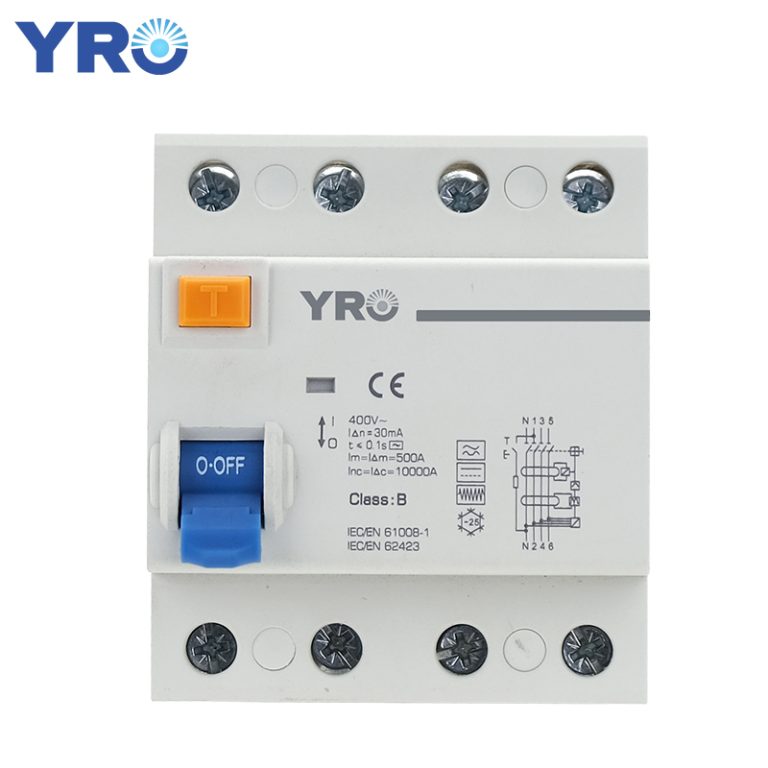
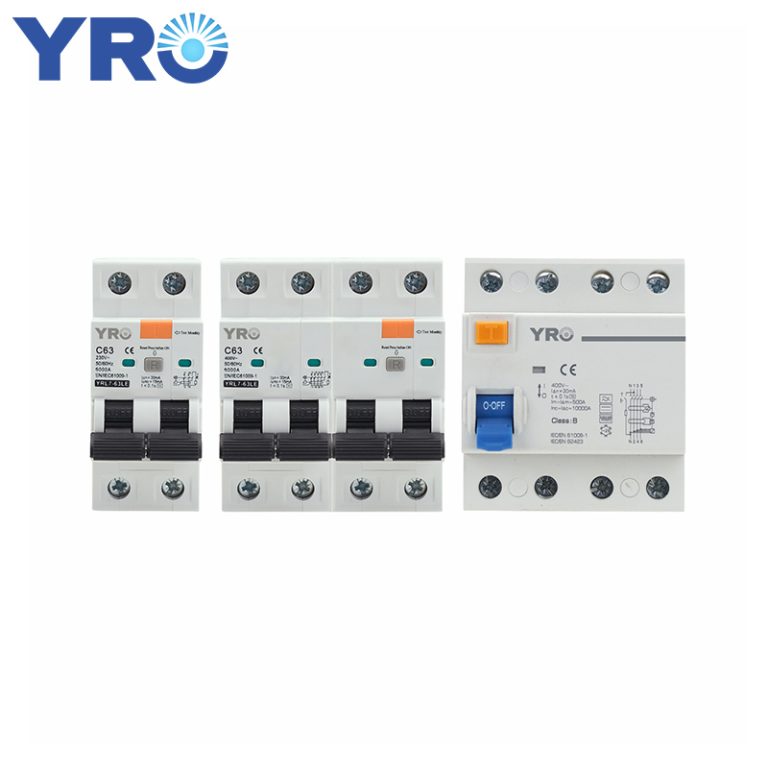
Um AC Miniature Circuit Breaker (AC MCB) is one of the most widely used electrical protection devices in modern power distribution systems. It automatically disconnects the circuit when an overload or short circuit occurs, helping protect electrical equipment, wiring, and people from potential electrical hazards.
Although AC circuit breakers are commonly found in homes, their applications extend far beyond residential buildings. They are widely used in commercial facilities, industrial plants, electrical distribution panels, generator systems, HVAC equipment, and many other industries.
Understanding where AC MCBs are used and why they are essential can help buyers choose the right product for different projects.
Why Are AC Miniature Circuit Breakers Important?
Every electrical system is exposed to potential faults. Excessive current caused by overloads or short circuits can overheat cables, damage equipment, interrupt production, and even create fire hazards.
An AC miniature circuit breaker continuously monitors the current flowing through the circuit. When abnormal conditions are detected, it disconnects the faulty circuit automatically, helping prevent further damage while allowing the remaining circuits to continue operating normally.
Because of their compact size, reliable operation, and convenient reset function, AC MCBs have become the preferred protection device in low-voltage electrical distribution systems.

Residential Electrical Systems
Residential buildings are among the most common applications for AC miniature circuit breakers.
Modern homes contain numerous electrical circuits, including lighting, socket outlets, air conditioners, water heaters, kitchen appliances, and washing machines. Each circuit requires independent protection to improve safety and simplify maintenance.
Typical residential applications include:
- Lighting circuits
- Power outlet circuits
- Air conditioning systems
- Water heaters
- Kitchen appliances
- Home distribution boards
Using individual circuit breakers for different circuits allows faults to be isolated quickly without shutting down the entire electrical system.
Commercial Buildings
Commercial buildings usually operate more electrical equipment than residential properties and therefore require more complex distribution systems.
Typical commercial applications include:
- Office buildings
- Shopping malls
- Hotels
- Restaurants
- Schools
- Hospitais
- Supermarkets
Each area often has its own branch circuits protected by AC miniature circuit breakers, ensuring stable operation while making maintenance easier.
For commercial buildings, selecting the correct current rating and breaking capacity is essential because electrical loads vary significantly throughout the day.
Industrial Facilities
Factories and industrial plants place higher demands on electrical protection due to continuous operation and heavy electrical loads.
Common industrial applications include:
- Manufacturing equipment
- Production lines
- Conveyor systems
- Water pumps
- Air compressors
- Industrial lighting
- Control cabinets
Industrial environments often require different trip curves depending on the equipment being protected. For example, motors usually require breakers capable of handling temporary inrush currents during startup.
Proper breaker selection helps reduce unnecessary trips while maintaining effective protection.
Electrical Distribution Boards
Distribution boards divide incoming electrical power into multiple branch circuits.
Each branch circuit is typically protected by an individual AC miniature circuit breaker.
This configuration offers several advantages:
- Independent protection for each circuit
- Easier troubleshooting
- Improved maintenance efficiency
- Reduced downtime
- Better electrical safety
Distribution boards are widely installed in homes, commercial buildings, factories, and public infrastructure.
Generator Power Systems
Backup generators are increasingly used to provide power during utility outages.
Whether installed in residential buildings, hospitals, factories, or commercial facilities, generator systems require reliable circuit protection.
AC miniature circuit breakers help protect:
- Generator output circuits
- Distribution panels
- Connected electrical equipment
- Downstream branch circuits
Proper protection improves the reliability and safety of the entire backup power system.
HVAC Systems
Heating, ventilation, and air conditioning systems consume significant electrical power.
Their electrical circuits often include:
- Compressors
- Fans
- Pumps
- Control systems
Each component should be protected with appropriately rated circuit breakers.
Selecting the correct breaker helps reduce unnecessary interruptions while protecting expensive HVAC equipment.
Industrial Automation and Control Panels
Modern industrial automation relies on stable electrical protection.
Control panels commonly contain multiple AC miniature circuit breakers to protect:
- PLC systems
- Sensors
- Relays
- Variable frequency drives
- Control circuits
- Auxiliary equipment
Independent circuit protection simplifies maintenance and minimizes downtime during equipment faults.
Public Infrastructure
Public facilities also depend on reliable electrical protection.
Examples include:
- Airports
- Railway stations
- Government buildings
- Centros de dados
- Telecommunications facilities
- Water treatment plants
These installations require dependable circuit protection because electrical failures may affect essential public services.