






Introdução
As solar PV systems scale from residential rooftops to utility-grade installations, the electrical architecture becomes more complex. One key element in managing this complexity is the solar combiner box, which helps organize power flow and protect system components.
However, many engineers and EPC contractors still confuse the roles of DC vs AC combiner box solutions. Choosing the wrong type can lead to inefficient system design, safety risks, or unnecessary costs.
In this guide, we break down the differences between DC combiner boxes e AC combiner boxes, and explain how to choose the right one for your solar project.

What is a DC Combiner Box?
A DC combiner box (also known as a Caixa combinadora fotovoltaica) is installed on the DC side of a solar system—between the solar panels and the inverter.
Its primary function is to combine multiple DC strings into a single output while providing critical protection.
Key Functions:
- Combine multiple PV string outputs
- Provide DC circuit breaker for solar proteção
- Integrate PV fuse protection for each string
- Include surge protection device (SPD) for lightning protection
What is an AC Combiner Box?
Um AC combiner box is installed on the AC side, typically after the inverter.
It combines the outputs of multiple inverters into one AC distribution line before connecting to the grid or transformer.
Key Functions:
- Aggregate inverter outputs
- Provide AC-side protection (MCB/MCCB)
- Enable centralized AC distribution
- Improve grid connection management
Key Differences Between DC and AC Combiner Boxes
Understanding the difference between DC vs AC combiner box systems is essential for proper solar design.
Tabela de comparação
| Recurso | DC Combiner Box | AC Combiner Box |
|---|---|---|
| Installation Position | Between panels and inverter | After inverter |
| Electrical Type | Direct Current (DC) | Alternating Current (AC) |
| Main Function | Combine PV strings | Combine inverter outputs |
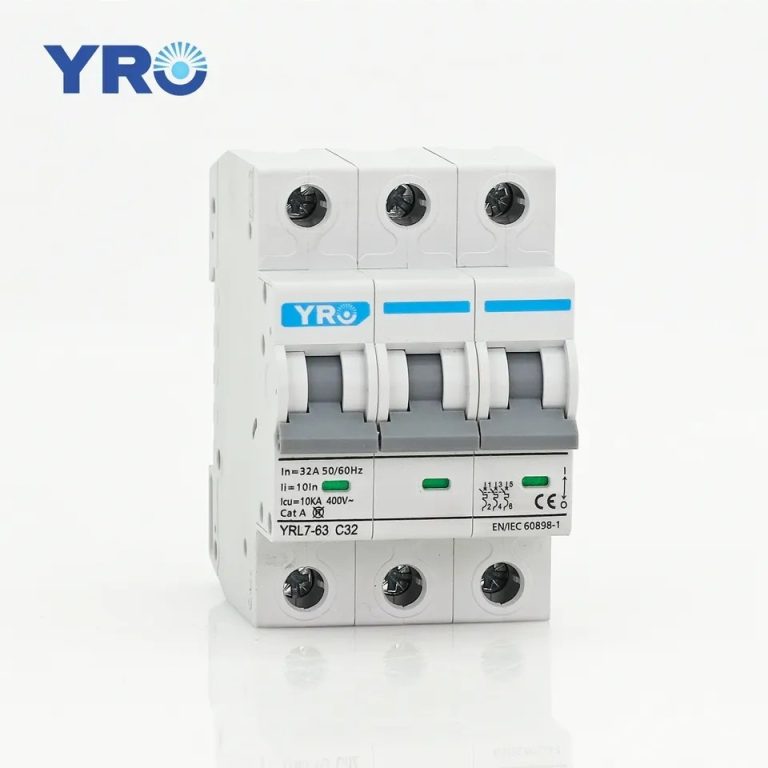
| Protection Devices | PV fuses, DC breakers, SPD | AC breakers (MCB/MCCB), SPD |
| Nível de tensão | 600V / 1000V / 1500V DC | 230V / 400V / higher AC |
| Aplicativo | String aggregation | Power distribution to grid |
| Risk Level | Higher arc risk (DC) | Lower arc risk (AC) |
Position in the Solar System
A DC combiner box operates upstream (before inverter), while an AC combiner box works downstream (after inverter).
Electrical Characteristics
DC systems carry continuous current, making arc suppression more difficult—this is why solar DC protection systems require more robust safety components.
Protection Components
- DC combiner box: PV fuses, DC circuit breakers, SPD
- AC combiner box: MCB/MCCB, AC SPD
Application Scenarios
- DC combiner boxes are critical in utility-scale PV systems
- AC combiner boxes are commonly used in multi-inverter installations
When Should You Use a DC Combiner Box?
A Caixa combinadora fotovoltaica is essential when:
- Your system has multiple PV strings
- You need centralized solar DC protection
- You are designing a commercial solar farm or utility-scale project
- You want to reduce DC cable complexity
In large installations, a solar string combiner box significantly improves system organization and safety.
When Should You Use an AC Combiner Box?
Um AC combiner box is ideal when:
- Multiple inverters are used
- You need to combine AC outputs before grid connection
- You are managing a distributed inverter system
- AC-side protection and distribution are required
It is commonly used in commercial solar systems with multiple string inverters.
Can DC and AC Combiner Boxes Be Used Together?
Yes—most large-scale solar projects use both.
Typical Architecture:
- Solar panels → DC combiner box
- DC output → inverter
- Inverter output → AC combiner box
- AC output → transformer/grid
This integrated solar power system architecture ensures both DC and AC sides are fully protected and optimized.
Common Mistakes When Choosing Between DC and AC Combiner Boxes
Avoid these common design errors:
- Confusing DC vs AC combiner box funções
- Installing combiner boxes in the wrong location
- Ignoring DC arc risks in PV systems
- Underestimating surge protection requirements
- Choosing non-certified products
These mistakes can lead to system downtime, safety hazards, and compliance issues.
Why Choose YRO for PV Combiner Box Solutions?
ZHEJIANG YRO NEW ENERGY CO., LTD. is a professional Fabricante de caixa combinadora fotovoltaica specializing in high-performance componentes de proteção solar DC.
Product Focus
- Dispositivo de desligamento rápido
- Caixa combinadora fotovoltaica
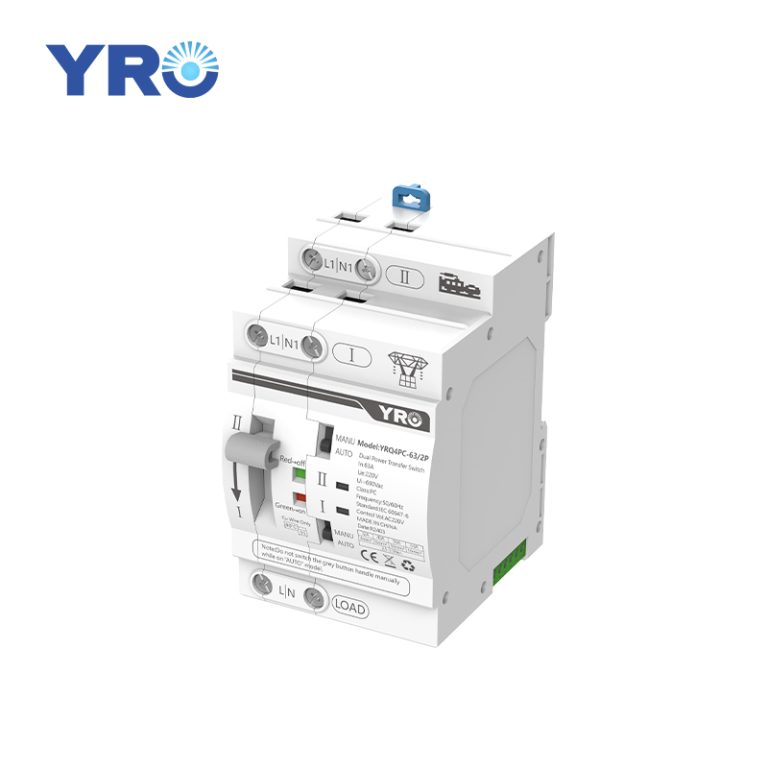
- Chave de transferência de energia dupla
Manufacturing Strength
- Certified with UL1741, TUV, CE, UKCA, ISO9001
- Advanced in-house testing laboratory
- Strict quality control system
Engineering Capability
- Strong R&D team
- OEM/ODM customization for solar projects
- Flexible design for utility-scale PV systems
Service Advantage
- 24-hour response time
- Fast global delivery
- Reliable after-sales support
Conclusão
Entendendo as diferenças entre DC vs AC combiner box solutions is critical for designing safe and efficient solar power systems.
- DC combiner boxes manage and protect PV strings before inversion
- AC combiner boxes handle power distribution after inversion
Both play essential roles in modern solar electrical system design.
For optimal performance, always choose certified, high-quality components from a trusted Fabricante de caixa combinadora fotovoltaica like YRO.