






UL 1077 is a product safety standard for supplementary protectors used in electrical equipment. This standard applies to protective devices installed inside electrical equipment to provide supplementary protection. For manufacturers that need to integrate DC miniature circuit breakers into electrical equipment, UL 1077 is a product standard that requires attention.
This article introduces the scope of UL 1077, the differences between UL 1077 DC MCBs and circuit breakers under other standards, and the main parameters that buyers need to confirm when selecting products.
What Is UL 1077 Certification?
UL 1077 is a safety standard for supplementary protectors used in electrical equipment, published by UL Solutions.
This standard applies to supplementary protectors that provide additional overcurrent protection for electrical equipment. These products are typically installed inside electrical equipment rather than serving as the primary protective devices for building branch circuits.
The UL 1077 standard mainly specifies requirements for supplementary protectors in terms of construction, performance, and testing.
What Does UL 1077 Test?
1. Calibration Test
The calibration test checks whether the circuit breaker operates according to the specified trip characteristics.
The test applies specified currents to the product and checks whether the product trips within the required time.
2. Overload Test
The overload test checks the circuit breaker’s response under repeated overload conditions.
For DC applications, overload test conditions depend on the product type and specific application requirements. Some DC motor starting applications may use higher test currents.
The overload test includes 50 operating cycles under specified conditions.
3. Endurance Test
The endurance test evaluates the mini circuit breaker’s performance after repeated operations.
For applicable products, UL 1077 requirements include 6,000 operations at rated current and rated voltage.
This test checks whether the product continues to function properly after completing the specified number of electrical and mechanical operations.
4. Short-Circuit Test
The short-circuit test evaluates the DC MCB’s performance under specified short-circuit conditions.
The test checks whether the product can interrupt the specified fault current while avoiding unacceptable safety risks.
UL 1077 includes different short-circuit test conditions and categories. Therefore, specific test conditions depend on the product’s ratings and classification.
5. Temperature Rise Test
The temperature rise test evaluates the miniature circuit breaker’s temperature increase under specified operating conditions.
The test checks the temperature changes of relevant current-carrying parts and terminals.
6. Dielectric Voltage Withstand Test
The dielectric voltage withstand test evaluates the circuit breaker’s insulation system.
The test applies specified voltages between relevant electrical parts. The product must meet applicable insulation requirements during the test.
YRO DC Miniature Circuit Breaker Receives UL 1077 Certification
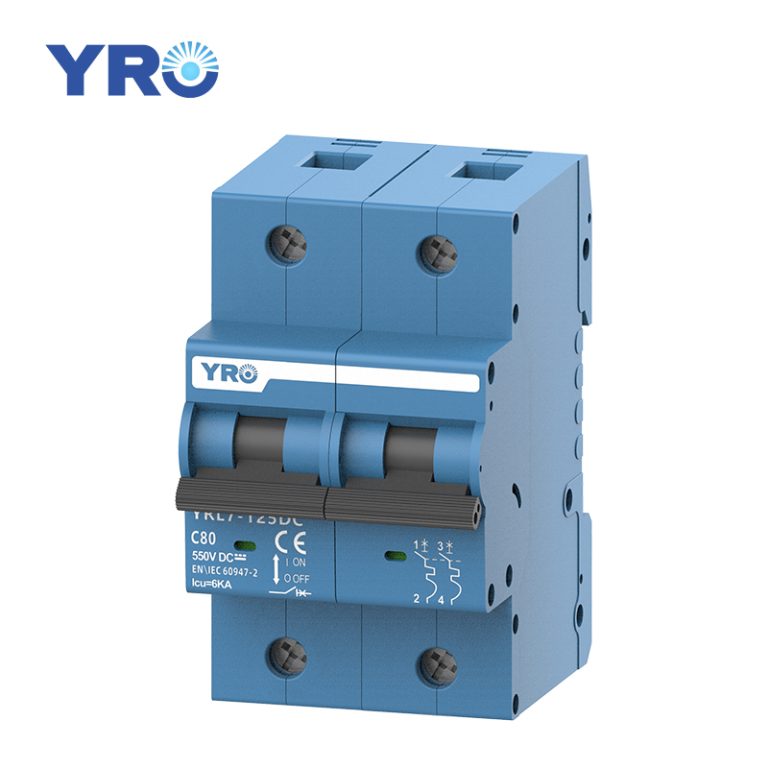
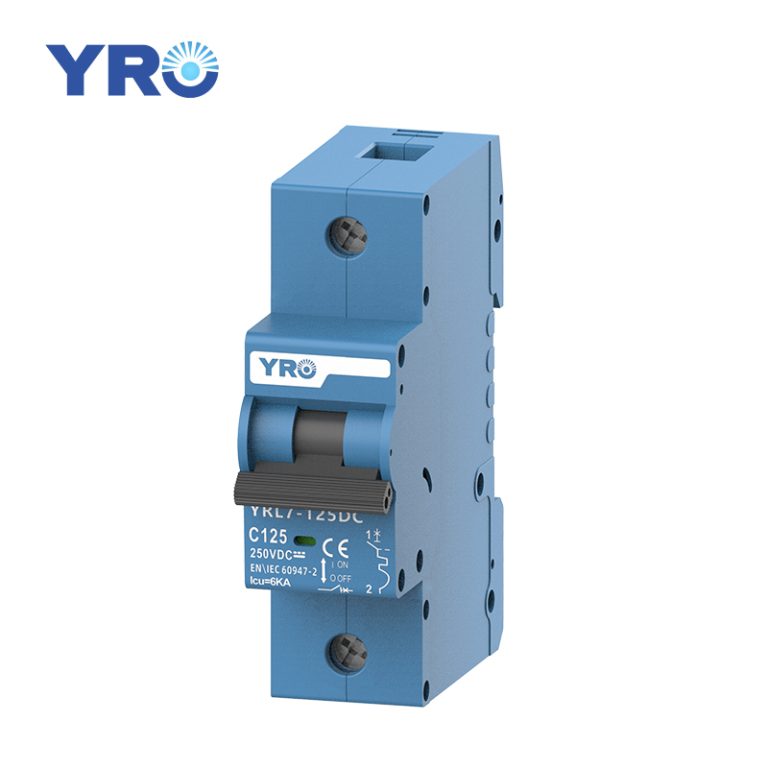
YRO’s YRL7-125DC series circuit breakers have been evaluated according to the applicable UL 1077 requirements. UL 1077 involves test requirements for calibration, temperature rise, overload, endurance, dielectric voltage withstand, and short-circuit performance.
Different tests evaluate product performance under various conditions. For example, the calibration test checks trip characteristics, the temperature rise test evaluates temperature changes under specified operating conditions, the overload test assesses response under specified overload conditions, and the short-circuit test evaluates interruption performance under specified fault conditions.
For purchasers, certification information can be used to confirm whether the product meets the certification requirements in their equipment design.

Application Scenarios for Circuit Breakers With UL 1077 Certification
Control Panels
Control panels contain control circuits, power circuits, and other auxiliary circuits. Equipment manufacturers can select DC MCBs that meet UL 1077 requirements, for supplementary overcurrent protection of internal circuits within electrical equipment.
Automation Equipment
Automation equipment contains multiple electrical and electronic components that require circuit protection.
Equipment manufacturers can select MCB breaker based on the following parameters:
- Tensão nominal
- Corrente classificada
- Número de pólos
- Trip characteristics
The selected protective device needs to match the equipment’s electrical requirements.
New Energy Equipment
New energy equipment contains electrical systems that require circuit protection.
Manufacturers of products such as power conversion equipment can evaluate whether supplementary protection solutions are suitable based on equipment design. The final selection depends on the equipment’s specific structure and corresponding protection requirements.
Conclusão
UL 1077 certification is mainly used for supplementary protection applications inside electrical equipment.
The UL 1077 standard evaluates supplementary protector performance from multiple aspects, including operating characteristics, temperature rise performance, overload performance, endurance performance, insulation performance, and short-circuit performance.
When purchasing electrical disjuntores, buyers need to consider equipment applications, rated voltage, rated current, number of poles, trip characteristics, and applicable certification requirements.
Understanding the application scope of UL 1077 certification, can help equipment manufacturers and purchasers select appropriate circuit protection products based on electrical design requirements.