





When you move a PV design from a rooftop to open ground, one question tends to surface late in the engineering review: does NEC 690.12 rapid shutdown still apply? Rooftop systems made the rule familiar, but ground-mounted arrays follow a different path through the code. This guide walks you through exactly when rapid shutdown reaches a ground-mount system, what the array-boundary limits mean for your layout, and how to choose hardware that keeps the design inspection-ready.

What NEC 690.12 Actually Requires
Section 690.12 of the National Electrical Code (NFPA 70) governs rapid shutdown of PV systems. Its core job is firefighter safety: when the sun is up, a disconnected inverter does not stop modules from producing dangerous DC voltage, so the code requires a function that brings those conductors down to safe levels fast.
Under the 2020 and 2023 editions, after rapid shutdown is initiated you must meet two voltage targets within 30 seconds:
| Zone | Voltage limit after 30 seconds | Applies to ground-mount? |
|---|---|---|
| Inside a building | ≤ 30 V | Only where DC conductors enter a building |
| Within array boundary (1 ft) | ≤ 80 V | Yes, for modules and conductors in the boundary |
| Beyond array boundary (open ground) | Not subject to 690.12 limits | Generally exempt when no building penetration |
The array boundary is a defined volume: 1 foot past the outermost module edge on every side, and 1 foot above the topmost module surface. Anything mounted outside that volume sits outside the voltage limits.
So, Does It Apply to Ground-Mounted Solar?
The short answer is that it depends on where your conductors go, not on the fact that the array sits on the ground.
NEC 690.12 was written around PV systems on or in buildings. A pure ground-mounted array, with modules on racking and DC conductors run in conduit to a separate inverter station or straight to a substation, is generally outside the section’s scope when those conductors never penetrate a building. The code’s own exemption path (690.12(B)(2) and the 2023 detached-structure exception) leaves open-ground arrays out of the rapid-shutdown voltage limits.
The requirement does reach a ground-mount system in three common situations:
- Building penetration. If DC conductors run into a building, for example to an indoor service entrance, a string inverter mounted inside, or a meter room, those conductors must comply (≤ 30 V inside the building).
- Carports, canopies, and trellises. These look like ground-mount, but the 2023 NEC added Exception No. 2, which excludes PV equipment on non-enclosed detached structures such as parking shade, carports, and solar trellises. They are typically outside 690.12 as long as they stay detached and non-enclosed.
- AHJ interpretation. Your Authority Having Jurisdiction may adopt 2020, 2023, or an older edition, and each reads the boundary differently. Always design to the edition your jurisdiction enforces.
Designing a ground-mount array beside a building or under a carport canopy?
Talk to YRO’s rapid shutdown devices and application engineers about a 690.12-ready layout before your permit package goes in.
Why the Question Keeps Coming Up
This used to be a rooftop-only conversation. What changed is the project mix. Utility-scale plants, commercial ground-mounts, agrivoltaics over farmland, solar carports in retail parking, and floating arrays have all moved from pilot programs into mainstream procurement. Each of those installation types changes where conductors run and how first responders reach the site, and that shift is exactly what pulls rapid shutdown back onto the table for ground-mount designs. As more large arrays are built beside warehouses, under canopies, and across open land, design teams keep reopening the same applicability question rather than assuming the rooftop answer carries over.

What It Means for Your System Design
Even when 690.12 does not strictly mandate rapid shutdown for an open-ground array, the practical design usually still accounts for it. Three reasons show up again and again:
- Interconnection specs. Some utilities and EPCs write rapid shutdown into their standard requirements regardless of the NEC scope, especially for arrays that feed a building.
- O&M safety. Rapid shutdown devices let crews de-energize one section of a large array for maintenance without shutting down the whole plant, a real operational benefit at scale.
- Future-proofing. Codes tighten over time. Specifying compliant hardware now avoids a retrofit when the jurisdiction adopts a newer edition.
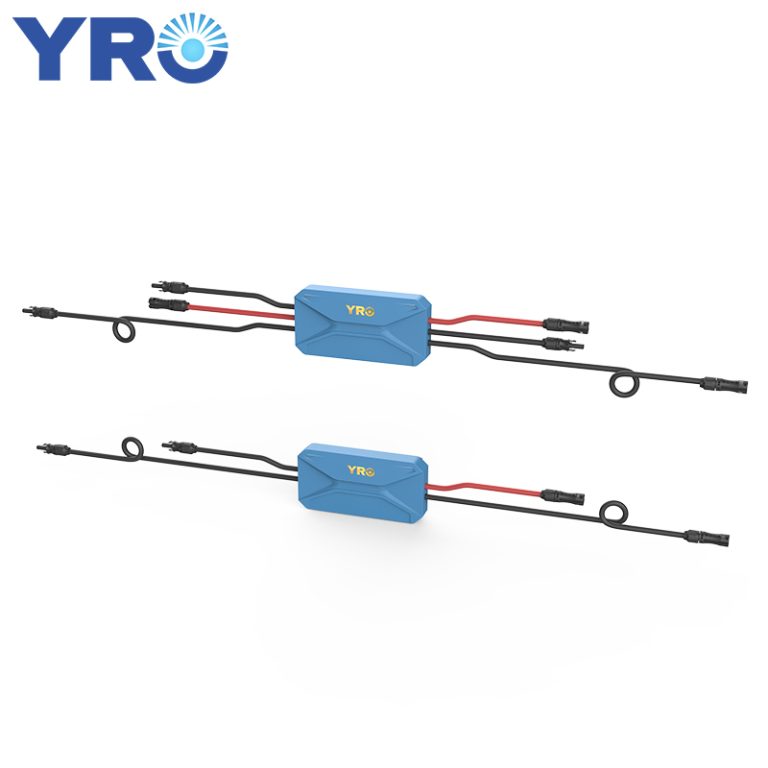
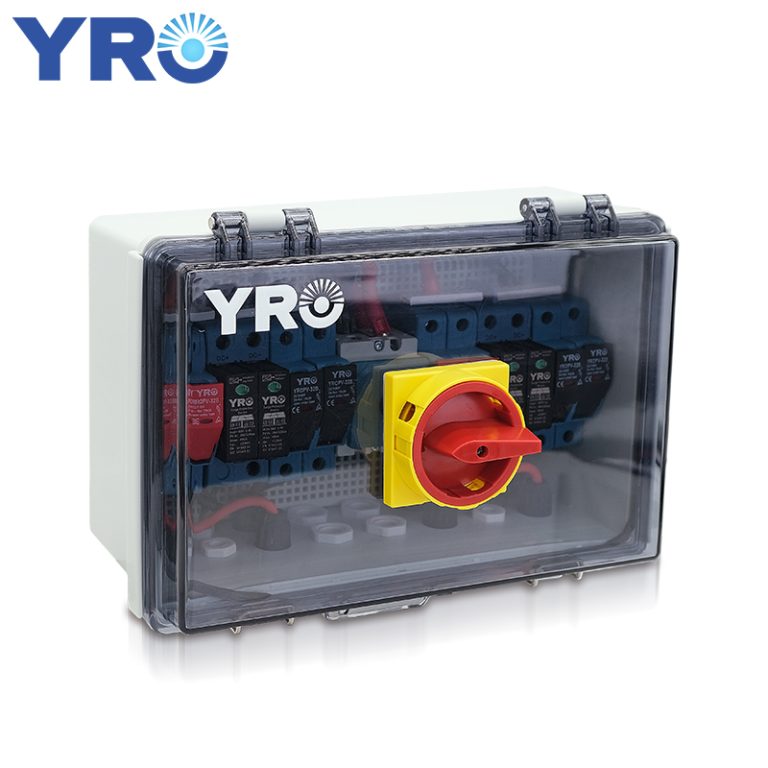
When you do need to comply, you have two main pathways: module-level electronics (MLPE) listed under UL 1741, or a listed string-level rapid shutdown system that controls conductors at the string level. For ground-mount, string-level solutions are often the economical fit because they control groups of modules rather than every single panel. Many designers pair them with PV combiner boxes that already integrate the shutdown function, trimming balance-of-system cost and enclosure count.
Choosing between string-level and module-level for a ground-mount?
Compare YRO’s module-level rapid shutdown switches against string-level units built for large layouts, and get a layout-based quote instead of a per-watt guess.
Quick Applicability Check
Use this short checklist to frame the question for your own site. It is a starting point, not a substitute for your AHJ’s ruling.
1. Do any DC conductors enter a building?
If yes, those conductors fall under 690.12 (≤ 30 V inside the building). If the array feeds only a detached inverter station or runs straight to the grid, this trigger usually does not apply.
2. Is the array on a detached, non-enclosed structure?
Carports, canopies, and trellises are generally excluded by the 2023 NEC Exception No. 2, as long as they remain detached and non-enclosed.
3. Which NEC edition did your jurisdiction adopt?
2020 and 2023 both use the defined array boundary and the 80 V / 30 V limits, but adoption and local amendments vary. Confirm the edition before you finalize the design.
4. Does your utility or EPC spec require RSD anyway?
Many interconnection standards ask for rapid shutdown even where the code exemption applies. Check the interconnection agreement before assuming you are exempt.
Frequently Asked Questions
Do off-grid ground-mount arrays need rapid shutdown?
Off-grid status does not automatically exempt you. 690.12 scope is about buildings and conductors; an off-grid array whose conductors never enter a building is generally outside the rapid-shutdown voltage limits. But some AHJs still require compliance for any occupied property, and a battery-based system pulls in Article 706 considerations. Confirm with your local building department.
How do AHJs interpret “controlled access” for ground-mount RSD?
Controlled access, such as a fenced and restricted site, lowers firefighter exposure and is why open-ground arrays are often exempt. But “controlled access” is not a formal 690.12 term. AHJs vary: some accept a fenced site as low risk, others still want RSD where conductors approach a building. Document the site’s access control in the permit package.
Can you retrofit rapid shutdown on an existing ground-mount array?
Yes. Retrofit paths use add-on MLPE or string-level shutdown units placed at the module or combiner. The challenge is layout: devices must sit inside the array boundary to matter, and existing conduit may need rework. Plan a shutdown initiation point accessible to first responders and label it per 690.56.
What is the cost difference between module-level and string-level RSD at ground-mount scale?
Module-level controls every panel, which raises device count and cost, and is usually driven by rooftop or UL 3741-avoidance needs. String-level controls groups of modules and is typically the lower-cost path for large ground-mounts. The gap narrows when combiner-integrated string RSD removes separate enclosures. Get a layout-based quote rather than a per-watt rule of thumb.
Is rapid shutdown required outside the U.S. for projects that follow NEC?
NEC is a U.S. standard; most other markets use IEC 62446 or local codes that may not mandate 690.12-style shutdown. However, U.S.-based developers exporting to or building in NEC-adopting jurisdictions, and buyers serving those markets, often spec NEC-aligned RSD for consistency. If you supply international projects, confirm the destination market’s rule.
Does adding battery storage to a ground-mount site trigger separate rapid shutdown rules?
Energy storage is governed mainly by Article 706, not 690.12, but the PV side still follows 690.12 where it applies. The boundary between the PV array and the battery enclosure matters: conductors entering a building with the battery fall under the building limits. Treat the PV and storage sections as separate code threads in one permit.
Related Resources
- NEC 2020 vs 2023 Rapid Shutdown Requirements: What Installers Must Know
- 5 เหตุผลว่าทำไมระบบ PV สมัยใหม่ทุกระบบจึงต้องการอุปกรณ์ปิดเครื่องอย่างรวดเร็ว
About this guide
Written by the YRO technical team. YRO designs and manufactures UL, IEC, and TÜV-certified rapid shutdown devices, PV combiner boxes, and MLPE for utility, commercial, and residential solar. The information here summarizes NEC 690.12 intent for planning purposes; always confirm requirements with your AHJ and the adopted code edition.
Need a 690.12-ready rapid shutdown design for your ground-mount project?
Contact the YRO team for a compliant layout, certified hardware, and a quote sized to your array: explore YRO rapid shutdown solutions.