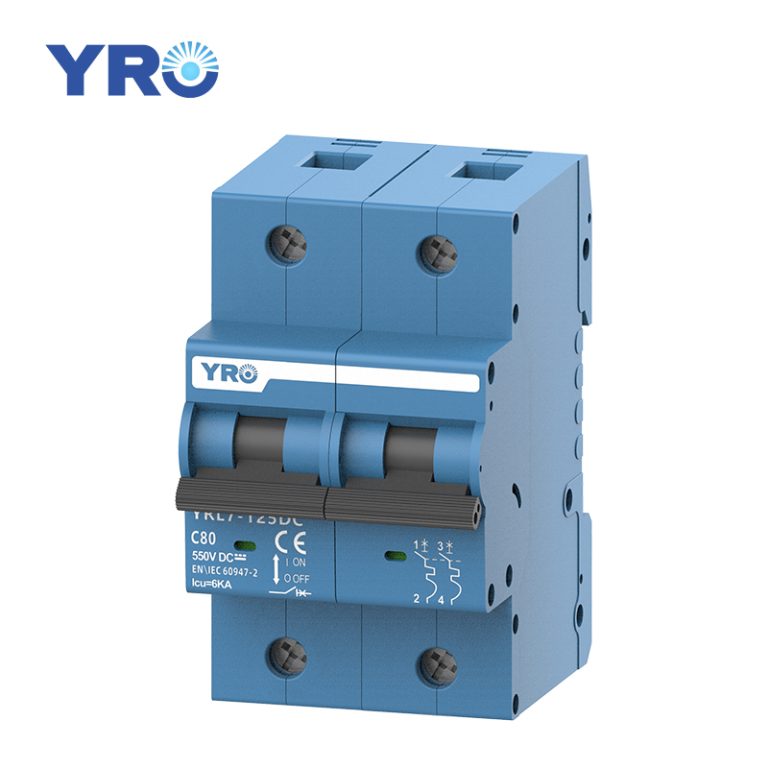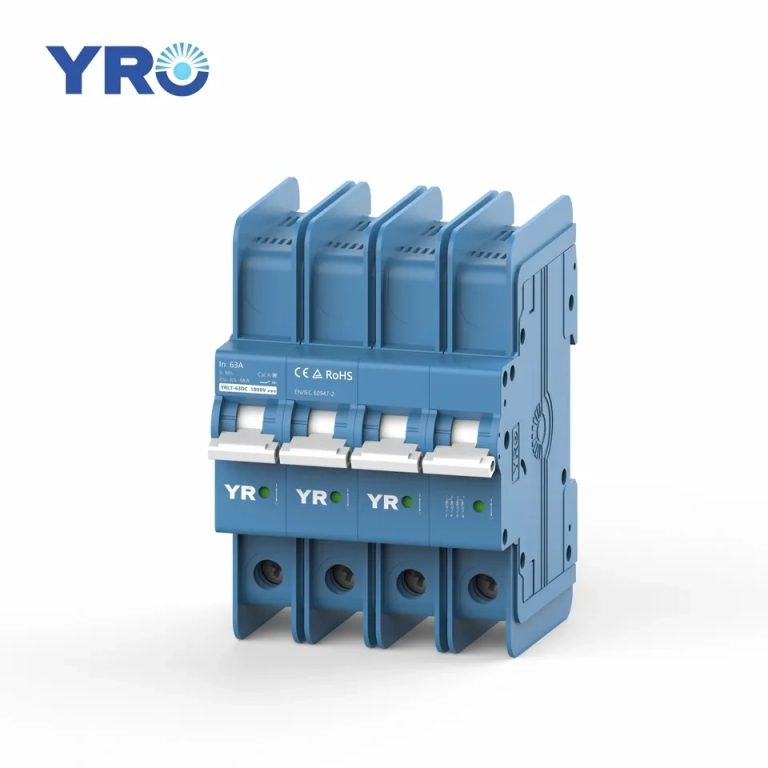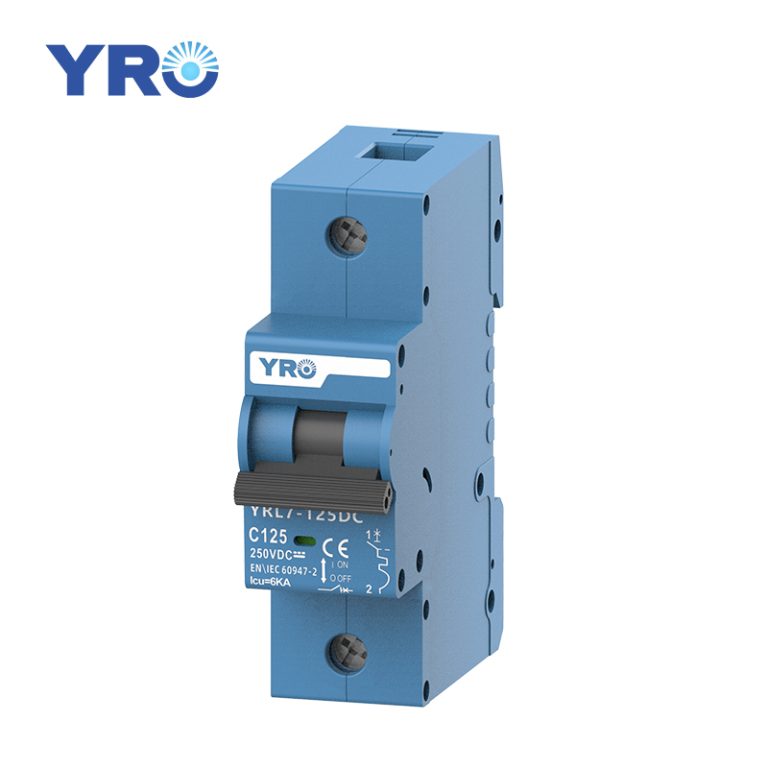






In real-world electrical usage, many users search for similar questions online: “How many appliances can one เบรกเกอร์ handle?”, “How many devices can a 16A breaker support?”, or “Why does the breaker suddenly trip?”
These questions appear different on the surface, but they essentially point to the same core issue: What is the actual load capacity of a circuit breaker? Understanding this capacity requires a look at circuit breaker load calculations.
Some circuits can run multiple devices simultaneously without issue, but in other cases, adding just one more appliance will trigger a trip. This difference is usually not a problem of equipment quality, but rather an indication that the total load is approaching or has already exceeded the breaker’s capacity. This is where proper breaker load calculation becomes essential.
Why Is the Number of Appliances Not Fixed?
A เบรกเกอร์ protects the circuit based on current, not on a specific count of appliances. The power consumption of different appliances varies significantly. For instance, a phone charger uses very little electricity, while an air conditioner uses a great deal.
Therefore, two different scenarios using the same type of circuit breaker might support completely different numbers of appliances. This highlights the importance of electrical load calculation rather than simply counting devices.

Load Calculation Method
A simple formula can be used for estimation:
Current (A) = Power (W) ÷ Voltage (V)
For example, in a 220V system:
- A 2200W electric heater draws approximately 10A of current.
- A 10W LED light bulb draws approximately 0.05A of current.
If a 16A circuit breaker is used, the total current must not exceed this value. According to electrical codes, to ensure safety, the actual load should be controlled within 80% of the breaker’s rated capacity. This practice prevents tripping or safety hazards caused by long-term operation at full load.
Practical Example
Voltage: 220V, Breaker: 16A
Assume the following appliances are running on the circuit:
Air Conditioner: 1500W ≈ 6.8A
Refrigerator: 200W ≈ 0.9A
10 LED Lights: 100W ≈ 0.45A
Television: 150W ≈ 0.7A
Total current is approximately 8.85A. Since 16A * 80% = 12.8A, the total load is less than the safe threshold, placing it well within the safe operating range.
Why Does a Breaker Trip Even Under a Normal Load?
This is directly related to common breaker tripping causes that go beyond simple continuous overload. Two primary factors are at play:
- Inrush Current (Starting Current)
Some appliances generate a significantly higher current at the moment of startup, particularly devices containing motors or compressors, such as air conditioners, refrigerators, and water pumps. The inrush current can be 2 to 5 times higher than the normal operating current, although this surge lasts for a very short duration.
- The Impact of Simultaneous Startups
If multiple devices start at the exact same moment, the momentary current spikes will add together. Even if the normal running load is within safe limits, this combined surge can cause the circuit breaker to trip.

Summary of Practical Calculation Steps
In practical applications, the following steps can be used to assess a circuit:
- Confirm the breaker’s rated current (e.g., 10A, 16A, 20A).
- Calculate the total power of all connected appliances.
- Convert the total power into current.
- Compare the result with 80% of the breaker’s rated value.
This method represents a standard, fundamental approach to electrical load calculation in electrical systems.
บทสรุป
The number of appliances a single เบรกเกอร์ can handle depends entirely on the combined power consumption of those appliances.
Low-power devices can be connected in greater numbers, but high-power devices must be strictly limited in count. Failure to do so will easily result in an overload, which is one of the primary breaker tripping causes .
In practice, by calculating the total circuit breaker load and maintaining a safety margin, it is possible to effectively reduce tripping issues and improve the operational stability of the electrical circuit.