





Many people think that when a circuit breaker trips, the entire house loses power. But in most residential settings, that is not the case.
Typically, one circuit breaker protects only one branch circuit. Therefore, when it trips, only that branch loses power. The other branches continue to receive power.
Understanding how circuit breakers and branch circuits work can help homeowners diagnose problems faster. It also helps them describe the problem more accurately when they need to call an electrician.
How Does a Circuit Breaker Work?
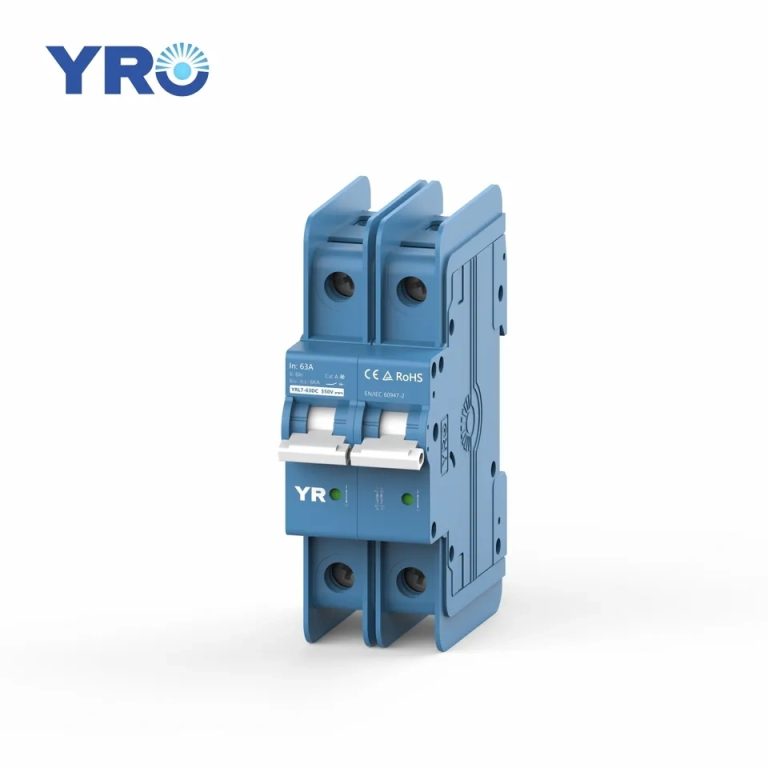
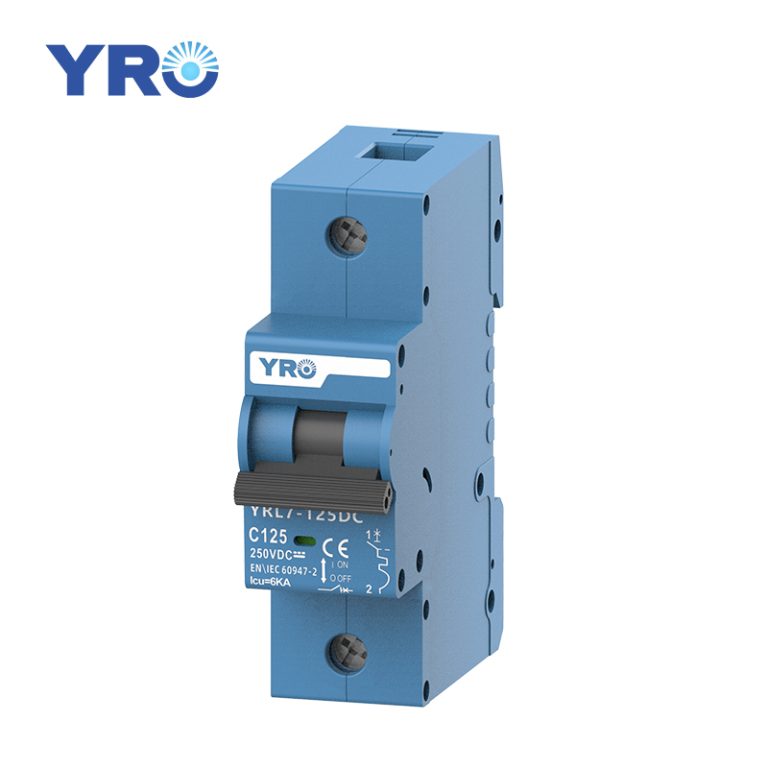
A เบรกเกอร์ is an automatic protective device. It cuts power when the current exceeds a safe limit or when certain electrical faults occur.
The main function of a circuit breaker is to protect the electrical wiring, not the appliances themselves.
Residential circuit breakers respond to the following conditions:
โอเวอร์โหลด
An overload occurs when the total power draw on the same electrical circuit is too high.
For example, a 20A kitchen circuit simultaneously powers:
- A space heater
- A microwave oven
- A coffee maker
When these devices run at the same time, the total current exceeds 20A. The breaker trips.
ไฟฟ้าลัดวงจร
A short circuit occurs when current flows through an abnormal, low-impedance path.
When a short circuit occurs, the fault current rises rapidly. The breaker cuts power within a very short time.
Short circuits are generally caused by:
- Damaged wire insulation
- Loose wiring
- Moisture
- Internal appliance faults
Ground Fault
Some protective devices can also detect ground faults.
A ground fault occurs when current does not flow along its intended path. Instead, it flows through another conductor or through a person to the ground.
Ground fault protection can reduce the risk of electric shock.
What Is a Branch Circuit?
Electricity first enters the home from the utility company. It then goes into the main electrical panel.
The panel then distributes power to multiple branch circuits.
Each branch circuit provides power to:
- Outlets
- Lighting
- Appliances
in a specific area.
Each branch circuit has its own independent MCB breaker.
As a result, when one breaker trips, only its corresponding branch loses power. The other branches continue normal operation.
This design has several advantages:
- It limits power outages to a localized area;
- It separates high-power devices from general lighting circuits;
- It reduces the chance of a single fault affecting the entire home;
- It makes maintenance and troubleshooting easier.
The specific distribution layout depends on local electrical codes and the home’s design.

Why Do Some Appliances Still Have Power?
There are several reasons for this. The main ones are listed below.
They Are Connected to Different Branch Circuits
This is the most common reason.
ตัวอย่างเช่น:
The refrigerator is on one circuit. The kitchen countertop outlets are on a different circuit.
If the kitchen countertop circuit trips because multiple appliances are running at the same time, the refrigerator can still work. This is because it is connected to a different MCB breaker.
Bedrooms, living rooms, and garages often have similar distribution setups.
They Use Dedicated Circuits
Many high-power appliances have dedicated circuits.
A dedicated circuit means one circuit serves only one device.
Common examples include:
- Electric water heaters
- Electric dryers
- Central air conditioning units
- Electric vehicle chargers
For this reason, even if other circuits trip, these devices can still run.
One Room Has Multiple Circuits
Many homes do not connect all devices in one room to the same branch circuit.
For example, the lighting and the wall outlets may not be on the same circuit.
So you might see:
- The lights still work;
- But all the outlets have no power.
This wiring approach improves the reliability of the home’s power supply. It is also a common design in many residences.
One Branch Circuit May Cover Multiple Rooms
Many branch circuits do not serve just one room.
For example, the “bedroom” breaker in the distribution box might actually supply power to:
- Two bedrooms
- Part of a hallway
- Closet outlets
As a result, when this one เบรกเกอร์วงจรขนาดเล็ก trips, multiple areas lose power. The rest of the house still has normal power.
Repeatedly Resetting a Breaker Does Not Fix the Problem
Many mini MCB can be reset after a fault is cleared.
However, if the same breaker keeps tripping, you should not keep resetting it.
Repeated tripping usually indicates an ongoing problem on the circuit:
- Circuit overload
- Damaged wiring
- Appliance fault
- Loose wiring
- ไฟฟ้าลัดวงจร
Instead of repeatedly restoring power, it is more important to find and fix the real cause of the fault.
What Is the Difference Between a Loose Neutral and a Breaker Trip?
A MCB electrical breaker trips because it detects current exceeding the allowed range. A loose neutral typically does not cause a breaker to trip. It is essentially a poor neutral connection or an unstable contact.
What Are Common Signs of a Loose Neutral?
A loose neutral may show the following symptoms:
- Lights that dim and brighten
- Lights that flicker continuously
- Electronic devices like computers and TVs that restart on their own
- Outlets that have power sometimes and no power at other times
- Voltage readings that fluctuate significantly
These symptoms are different from a standard breaker trip.
After a breaker trips, the affected circuit loses power completely. With a loose neutral, devices still have power, but the supply is unstable.
What Is a Split-Phase Power System?
Most homes in the United States and some other countries use a 120/240V split-phase power system.
In this system, the distribution transformer provides three wires to the home:
- Live wireL1 (Line 1)
- Live wire L2 (Line 2)
- One neutral wire
L1 to neutral is approximately 120V.
L2 to neutral is also approximately 120V.
When L1 and L2 are used together, they provide approximately 240V. This supplies power to high-power devices.
What Are the Differences Between RCD, RCBO, GFCI, and AFCI?
Modern homes often have multiple types of electrical protective devices.
Although they are all safety devices, each one protects against a different type of fault.
| Protection Device | ฟังก์ชั่นหลัก | Common Application |
| RCD (Residual Current Device) | Detects leakage current and reduces shock risk | Widely used in countries that follow IEC standards |
| RCBO (Residual Current Breaker with Overcurrent Protection) | Provides leakage protection, overload protection, and short circuit protection together | Individual branch circuit protection |
| GFCI (Ground-Fault Circuit Interrupter) | Detects ground faults and reduces shock risk | Kitchens, bathrooms, garages, and outdoor outlets in North America |
| AFCI (Arc-Fault Circuit Interrupter) | Detects dangerous arcing and reduces fire risk | Bedrooms, living rooms, and other areas in North American homes |
RCD
An RCD continuously compares the current flowing into a circuit with the current returning from it. If the difference exceeds a set value, it automatically cuts power.
The main purpose of an RCD is to reduce the risk of electric shock from leakage current.
It is important to note that an RCD itself does not provide overload protection.
So, it is typically used together with a standard circuit breaker. Alternatively, an RCBO can be used.

RCBO
An RCBO combines two protection functions in one device:
- Leakage protection
- Overload and short circuit protection
In many homes, an RCBO can replace both an RCD and a standard breaker.

GFCI
A GFCI works very similarly to an RCD. However, it follows North American electrical standards.
That is why, in the United States and Canada, GFCI is more common than RCD.
GFCIs are mainly installed in locations with easy access to water, such as:
- Bathrooms
- Kitchens
- Basements
- Garages
- Outdoor outlets
AFCI
An AFCI detects dangerous arcing.
Arcing is generally caused by:
- Aging wire insulation
- Damaged wires
- Loose wiring
- Cables that are crushed or worn
Dangerous arcing produces a large amount of heat. This increases the risk of fire.
The main function of an AFCI is to identify these dangerous arcs and cut power when necessary.
It is important to note that an AFCI cannot replace overcurrent protection. It also cannot replace ground fault protection.
It protects against a different type of electrical fault. It is typically used together with other protective devices.
When Should You Call an Electrician?
Some electrical circuit breaker trips are temporary. However, the following situations usually require inspection by a qualified electrician:
- The same breaker trips repeatedly;
- It trips again immediately after resetting;
- There is a burning smell near the panel or outlets;
- The panel feels noticeably hot;
- Lights in multiple rooms flicker at the same time;
- Multiple unrelated circuits lose power at the same time;
- You suspect a loose neutral connection;
- The breaker will not stay in the “on” position after troubleshooting;
- You cannot determine the cause of the fault;
A qualified electrician can use specialized test equipment to inspect wiring, connection points, and appliances. This helps them find the real cause of the fault.
Home Electrical Safety Checklist
Before trying to reset a low voltage MCB, you can complete the following basic checks:
✔ Identify the affected circuit.
Check which lights, outlets, or appliances have lost power.
✔ Unplug portable appliances.
Disconnect devices that may be causing the overload first. Then try to reset the breaker.
✔ Check for obvious abnormalities. Look for:
- Burn marks
- Damaged outlets
- Damaged power cords
- Unusual odors
- Overheating
If you find any abnormalities, do not touch the damaged wiring.
✔ Restore loads one by one.
When reconnecting appliances, connect only one device at a time.
If the breaker trips again, stop using that circuit and find the cause.
✔ Do not replace the breaker with a larger one.
A higher current rating does not mean more safety.
If the breaker rating exceeds the wire’s ampacity, the wiring can overheat before the breaker trips.
So, the breaker rating must match the circuit design and local electrical codes.
คำถามที่พบบ่อย
Q1: Can a circuit breaker still let some electricity through after it trips?
No.
A properly functioning breaker cuts all power to that circuit when it trips. If that circuit still has power, the breaker has not tripped, or the breaker has failed.
Q2: Can a UPS prevent my appliances from losing power when a breaker trips?
No.
A UPS (Uninterruptible Power Supply) can only continue to supply power to devices plugged into it while its battery has charge. It cannot prevent the breaker from tripping, nor can it restore power to the tripped circuit.
Q3: Can I replace a circuit breaker myself?
If you do not have the relevant qualifications and experience, it is generally not recommended to replace a breaker yourself. There is a risk of electric shock.
บทสรุป
A เบรกเกอร์ typically protects only one branch circuit, not the entire house. Therefore, when a เบรกเกอร์วงจรขนาดเล็ก trips, only the lights, outlets, or appliances on that branch lose power. Devices on other branches can still operate normally.
In home design, high-power devices use dedicated circuits. This design separates large loads from general outlet circuits. It reduces interference and prevents the whole house from losing power when one circuit has a fault.
If a breaker trips repeatedly, or if it is accompanied by burning smells, overheating, or unusual light flickering, this means the cause of the fault should be found first. Repeatedly restoring power is not the solution.
Understanding the basic principles of residential power distribution helps homeowners determine which situations are normal, which require attention, and describe the problem more accurately to an electrician when needed.