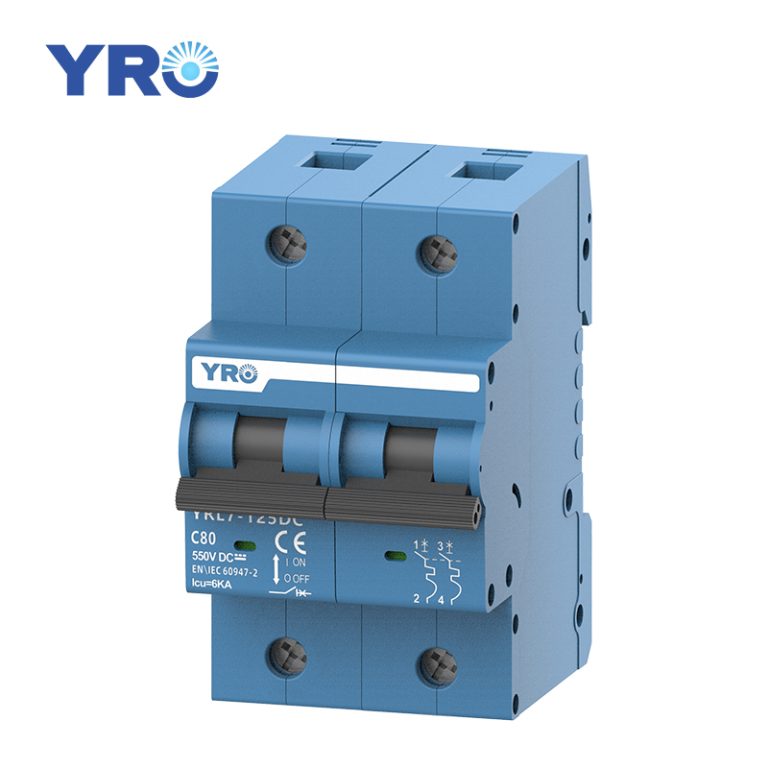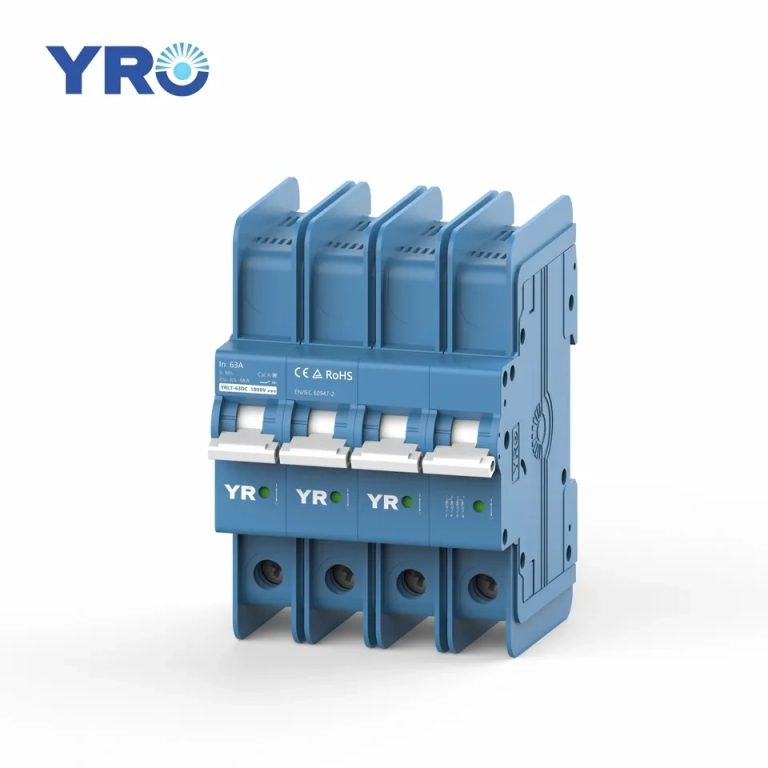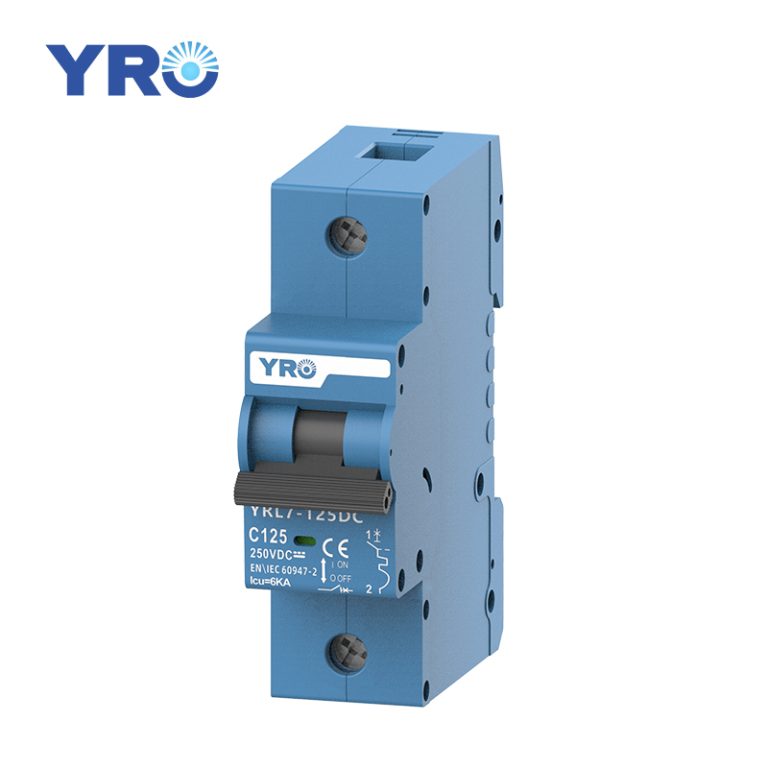






Circuit breakers protect the electrical circuit from overload and short circuits, thereby preventing fires and equipment damage. Just like any mechanical device, they also wear out or fail over time. In actual electrical maintenance, detecting abnormal signals as early as possible can effectively reduce the risk of equipment downtime and safety hazards.
1. Frequent Tripping Under Normal Load
One of the most common abnormal phenomena is the circuit breaker switch tripping frequently without an obvious increase in load. If the electrical load remains normal but the breaker keeps disconnecting the circuit, this usually may indicate internal structural wear or degraded mechanical performance.
In actual inspections, technicians typically check both the breaker body and the wiring simultaneously to determine the source of the problem.
2. Appearance Changes Caused by Overheating
Overheating problems can often be detected through visual observation, such as color change of the casing, local melting marks or deformation. These phenomena usually indicate that the equipment has been subjected to excessive current for a long time or there is an abnormal increase in internal contact resistance.
In electrical maintenance practices, thermal imaging detection is often used to identify abnormal hot spots in distribution cabinets.

3. Burning Smell Near the Distribution Box
If a persistent burning smell is detected near the distribution box, this is a very important warning signal. This odor usually comes from overheating of insulation materials or internal arcing phenomena.
In electrical safety management, such situations are typically treated as high-priority risks and require immediate inspection.
4. Loose or Unstable Operating Handle
If the operation handle of the قاطع الدائرة switch becomes loose, or cannot be stably positioned in the “on” or “off” position, this usually indicates wear of the internal mechanical structure.
This will reduce the reliability of the circuit breaker and may affect the normal cutting ability during a fault.
5. Terminal Corrosion or Oxidation
إذا electrical قاطع الدائرة wiring terminals show corrosion or oxidation, this increases contact resistance, thereby causing localized heating.
A long-term high-resistance state may further accelerate equipment aging, so regular inspection of terminal conditions is required in daily maintenance.

6. Delayed Response or Failure During Faults
Normally, the electrical قاطع الدائرة should act quickly when detecting abnormal current. If there is a delay in action or inability to trip, it may indicate problems with the internal contacts or mechanical fatigue.
Such problems usually require professional testing equipment to confirm.
7. Abnormal Sounds
If clicking sounds, buzzing, or slight crackling noises are heard from inside the combiner box, this is usually not a normal phenomenon. These sounds may be related to arcing or unstable contact.
In electrical engineering practice, such sounds are often treated as important abnormal signals for investigation.
Preventive Maintenance Recommendations
In industrial and commercial environments, regular inspection of the distribution system is a common practice. Through visual inspection, temperature monitoring, and load assessment, potential problems can be identified earlier.
Maintenance intervals typically depend on usage intensity and environmental conditions, and may vary across different systems.
خاتمة
Electrica circuit breaker damage usually does not happen suddenly; in most cases, there are obvious early warning signs, such as temperature abnormalities, mechanical changes, or unusual odors.
These signals can help technicians or users identify problems in advance and take measures to avoid more serious failures.
It should be noted that a single phenomenon does not necessarily mean the breaker has already failed, but if multiple abnormalities occur simultaneously, high attention should be given and professional testing should be conducted.