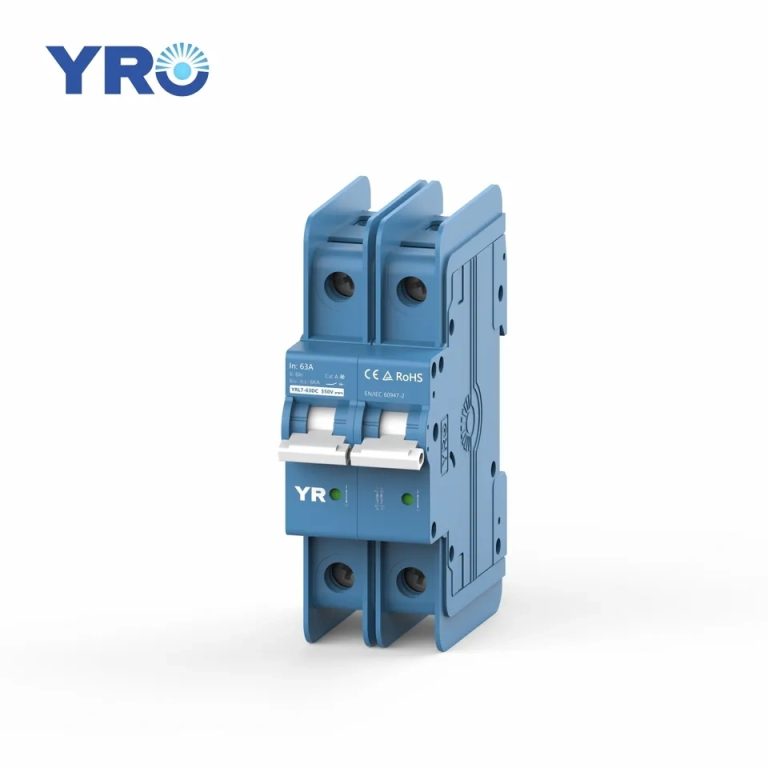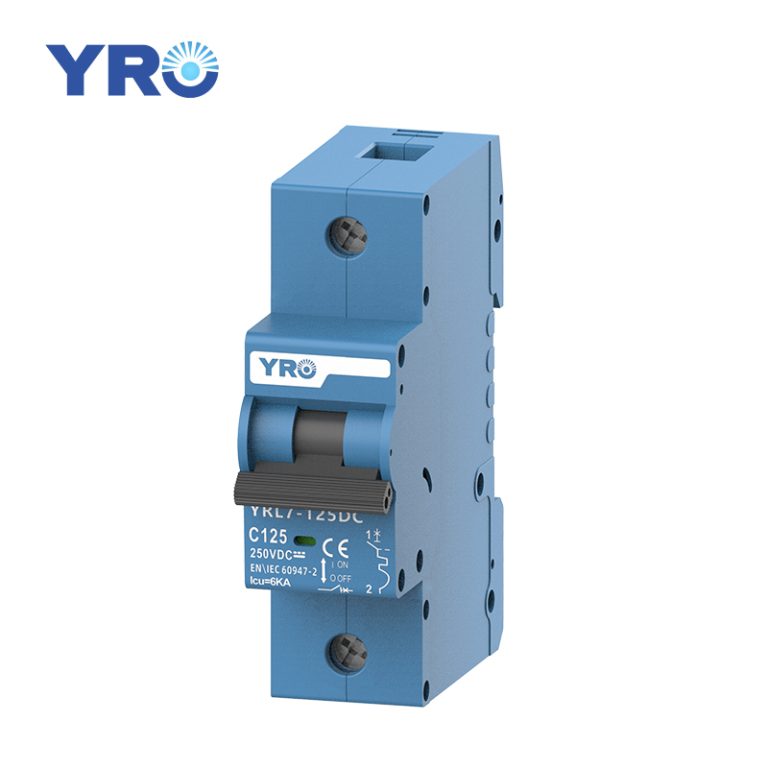






The function of the قاطع الدائرة is to cut off the current when an abnormal situation occurs. In most electrical systems, it is the last line of defense against overloading, short circuits, or equipment failures. However, in actual use, the circuit breaker may also fail to trip. What consequences would arise if the circuit breaker does not trip when it should?
1. Electrical Fire
This is the most dangerous consequence. When a circuit is overloaded or short-circuited, if the circuit breaker does not trip, the current will continuously generate heat, causing the insulation layer to gradually soften, melt, and eventually ignite an open flame, which can ignite surrounding combustible materials.
Many electrical fires are not directly caused by the initial fault, but because the protective device did not cut off the current in time, allowing the problem to escalate.
In low-voltage systems, common materials such as insulation layers and plastic components are likely to burn under sustained high temperatures.
2. Thermal Damage
When the current in the circuit exceeds the rated value, the conductors and connection points generate heat. Under normal circumstances, the قاطع الدائرة will cut off the current before damage occurs. However, if the circuit breaker does not trip, the current will continue to pass through.
Continuous overload will cause the insulation materials to age. Copper conductors expand due to heat, and repeated expansion may lead to loose connection terminals. This will increase the contact resistance, thereby generating more heat.
In actual operation, this forms a cycle: current increases → temperature rises → material damage → resistance increases → temperature further rises.

3. Equipment Damage
A short circuit generates a large instantaneous current, which can damage busbars, cables, and connected equipment. In industrial environments, electromagnetic forces may also cause metal parts to deform.
The longer the fault lasts, the more severe the damage becomes. Even a short delay can significantly increase the energy released by the fault.
If the circuit breaker does not trip, downstream equipment will directly withstand the abnormal current. Sensitive electronic equipment will be damaged immediately, while larger equipment may suffer internal damage that is not easily noticeable in the early stages.
4. Expansion of the Fault Range
In electrical system design, protection coordination is considered, that is, different circuit breakers act in sequence to isolate the fault locally.
If a certain level of قاطع الدائرة fails to act, the fault point cannot be promptly cut off, which may cause the fault scope to expand further, causing the next higher-level or even the next higher-level circuit breakers to trip in overcurrent, resulting in a large-scale power outage accident.
Possible Reasons Why a Circuit Breaker Does Not Trip
The inability of a circuit breaker to operate normally is usually related to the following factors:
- Internal mechanical wear
- Improper installation or loose connections
- Unreasonable selection of rated parameters
- Environmental factors (such as dust or moisture)
- Damage to internal components
Why Is This Problem Easily Overlooked?
Many people assume that the circuit breaker will definitely trip when needed. However, protective equipment also requires regular inspection and maintenance.
Unlike obvious external damage, internal problems of the circuit breaker are not easily detectable by the naked eye, which can lead to a false sense of security.
In small systems, maintenance is often neglected, which increases the risk of system failure when protection fails.
خاتمة
If the circuit breaker does not trip, the electrical system will lose important protection measures. This may lead to overheating, equipment damage, increased fire risk, and a wider power outage. These conclusions are in line with electrical safety principles and industry standards.
The protection device is only effective when it is working normally. Regular inspection and correct application are necessary to ensure system safety.